

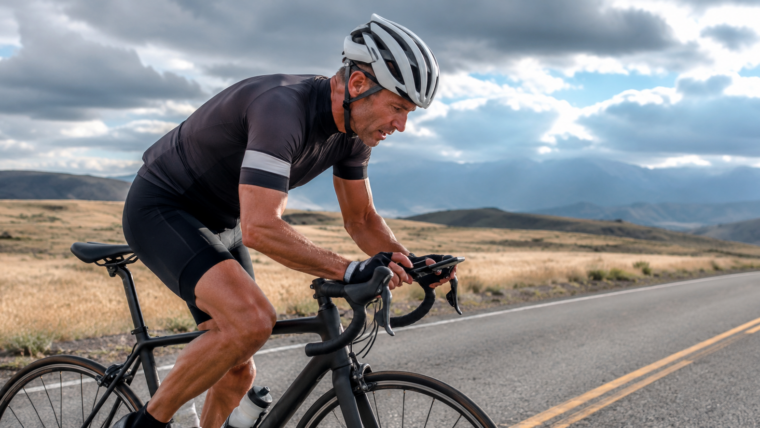
Quick Answer: FTP Benchmarks by Age
FTP benchmarks by age fall into four broad experience tiers: beginners produce 1.5–2.5 w/kg, intermediate riders 2.6–3.5 w/kg, advanced amateurs 3.6–4.5 w/kg, and elite athletes 4.6+ w/kg. Peak FTP typically occurs between the late 20s and mid-40s, but…
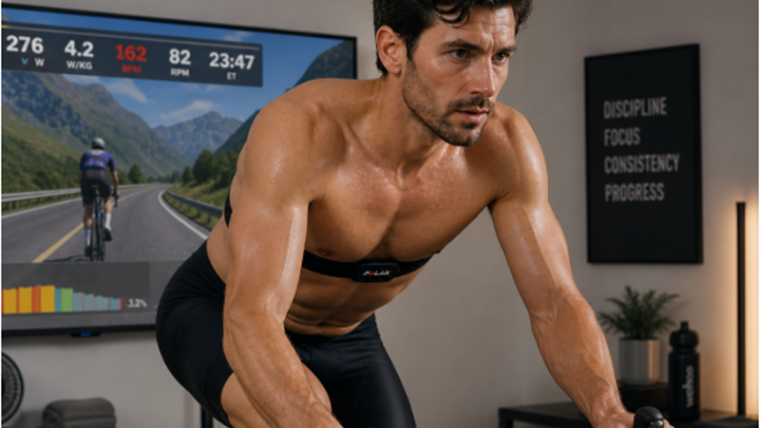
How Does Wearable Technology Improve Cycling Performance?
Quick Answer: Wearable cycling technology — including power meters, heart rate monitors, and GPS sensors — gives riders objective, real-time data on power output, training zones, and recovery. This allows for precise FTP-based training that replaces guesswork…
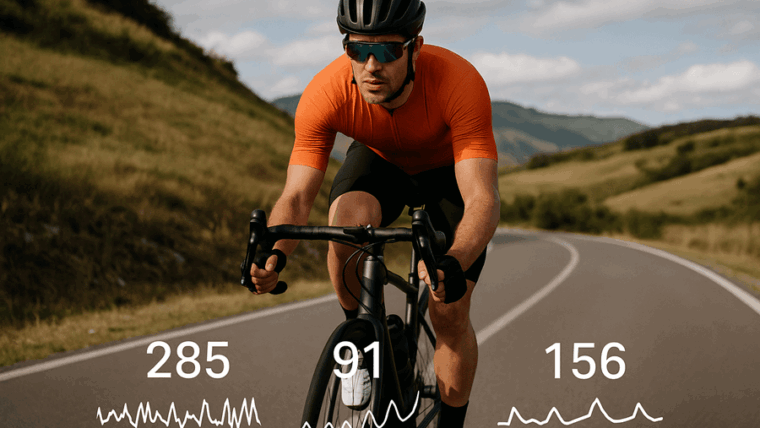
Do cycling performance myths actually affect training outcomes?
Yes. Training based on outdated concepts—such as "lactic acid causes soreness" or "stay in the fat-burning zone"—leads to suboptimal workload distribution, poor nutrition timing, and missed fitness adaptations. Evidence-based training consistently outperforms folklore. …
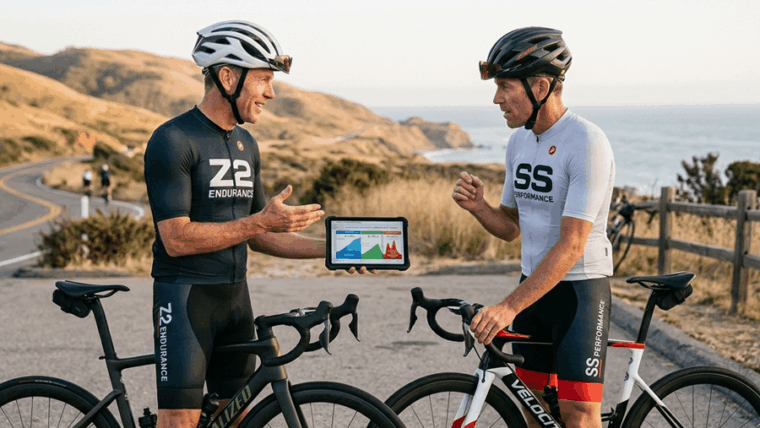
Which is Better in 2026: Zone 2 Training or Sweet Spot?
Is polarized training better than sweet spot in 2026? The best training intensity distribution (TID) depends entirely on your weekly volume. Recent 2025-2026 research suggests that while Polarized training (80/20) excels…
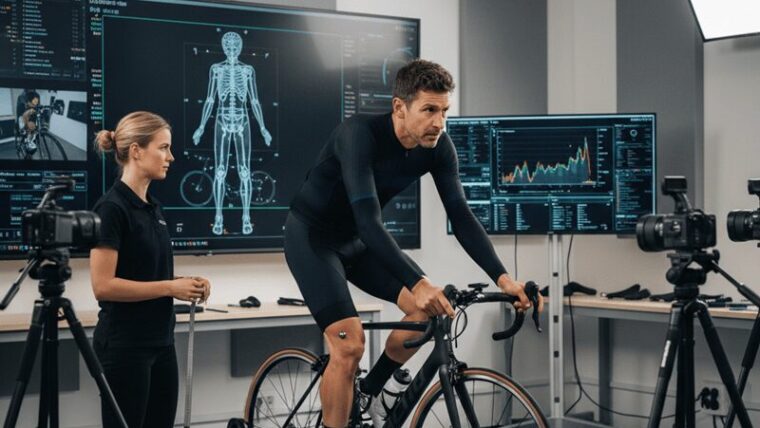
Quick Answer: Overtraining shows up as persistent fatigue, declining power numbers, elevated resting heart rate, and irritability that doesn't resolve with a rest day or two. Undertraining looks like plateaued fitness, easy recovery from every ride, and watts that never climb. The fix for…
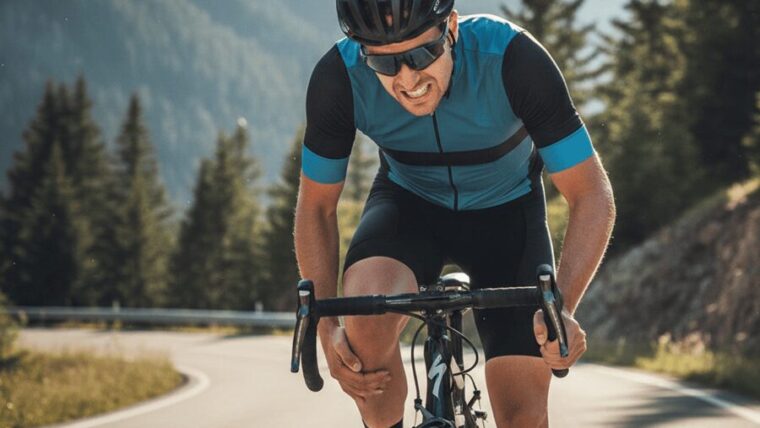
Recovery Phase Cycling: The Hidden Danger of Non-Stop Training
Quick Answer: What is recovery phase cycling? Recovery phase cycling is intentionally scheduled easy riding or rest periods between intense training sessions. During recovery, your body adapts to training stress, repairs muscle damage, and…