

How Does Wearable Technology Improve Cycling Performance?
Wearable Tech Cycling Performance
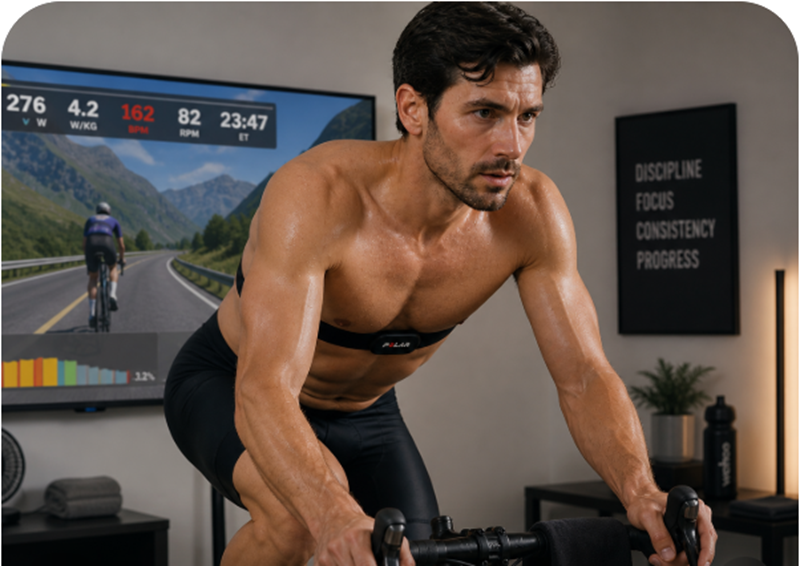
Modern cycling wearables go well beyond step counts and heart rate. Today’s devices measure power output in watts on every pedal stroke, track cadence, monitor heart rate variability, and feed that data to a head unit or app in real time. The most performance-relevant metric this enables is Functional Threshold Power (FTP) — the highest average power a rider can sustain for approximately one hour.
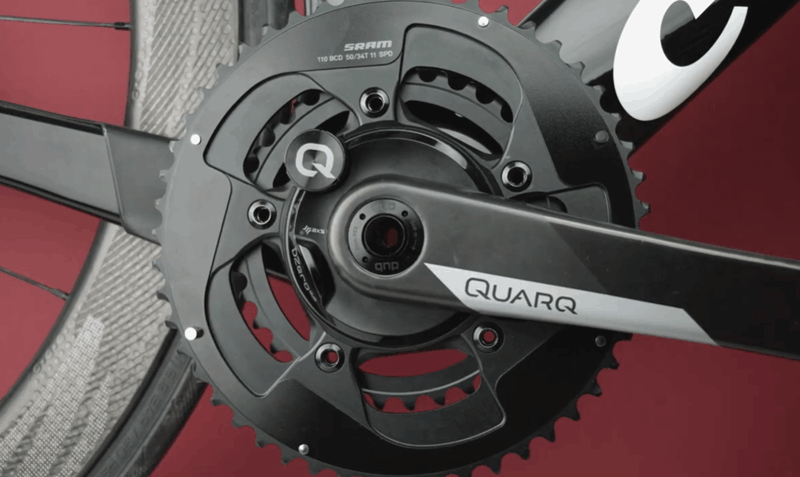
With a power meter paired to a cycling computer, every ride becomes a structured data set. You know whether you held 95% of FTP during a threshold interval or drifted to 80%. You know if your Zone 2 endurance ride crept into Zone 3 and why your legs feel heavy three days later. That level of precision is not available through perceived exertion alone.
Wearables also enable objective recovery tracking. Metrics like Heart Rate Variability (HRV) and resting heart rate, logged consistently, tell you when your body is ready to absorb hard training versus when additional stress will produce diminishing returns. This is where wearable data prevents the overtraining that stalls most self-coached riders.
Solving the Plateau Problem
Inconsistent progress is one of the most common frustrations in self-directed training. Without objective data, it’s difficult to know whether an effort was truly at threshold, whether an endurance ride was aerobic or drifting anaerobic, or whether fatigue from the previous week is limiting current output. Wearable tech removes that uncertainty.
A power meter combined with regular FTP testing creates a measurable training baseline. Riders can track Chronic Training Load (CTL), Acute Training Load (ATL), and Training Stress Balance (TSB) to understand fitness accumulation versus fatigue at any point in a training block. When power numbers plateau, the data identifies the cause — insufficient volume, too much intensity, inadequate recovery, or simply the need for a structured rest week.
Choosing the Right Wearable for Your Goals
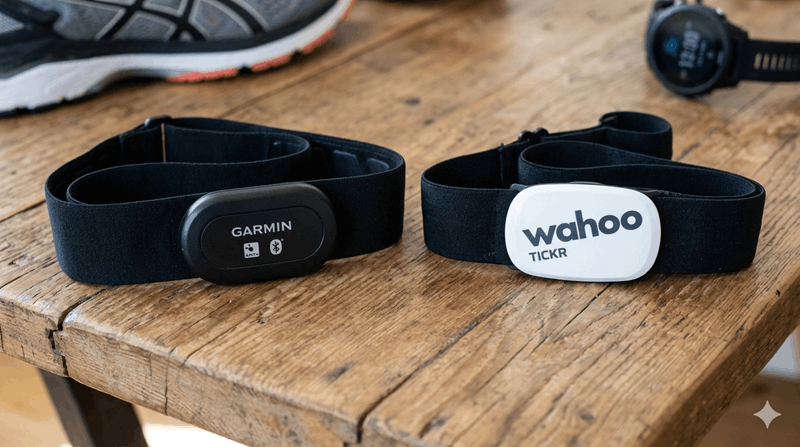
For most cyclists, the priority order is: power meter first, cycling computer second, heart rate monitor third. A crank-arm or pedal-based power meter provides the foundational data for FTP-based training. A compatible head unit displays that data in real time and logs files for post-ride analysis in platforms like Zwift, Garmin Connect, or Strava. A chest strap heart rate monitor adds the cardiovascular layer — particularly useful for correlating cardiac drift with power output on long efforts.
Entry-level power meters from brands like Stages and 4iiii start around $300–$400 for single-sided options. Dual-sided units from Quarq, Shimano, and Garmin Vector range from $600 to $1,200. For most training purposes, a single-sided meter provides sufficient accuracy. Dual-sided becomes relevant when diagnosing left/right imbalance or tracking post-injury recovery.
Putting the Data to Work
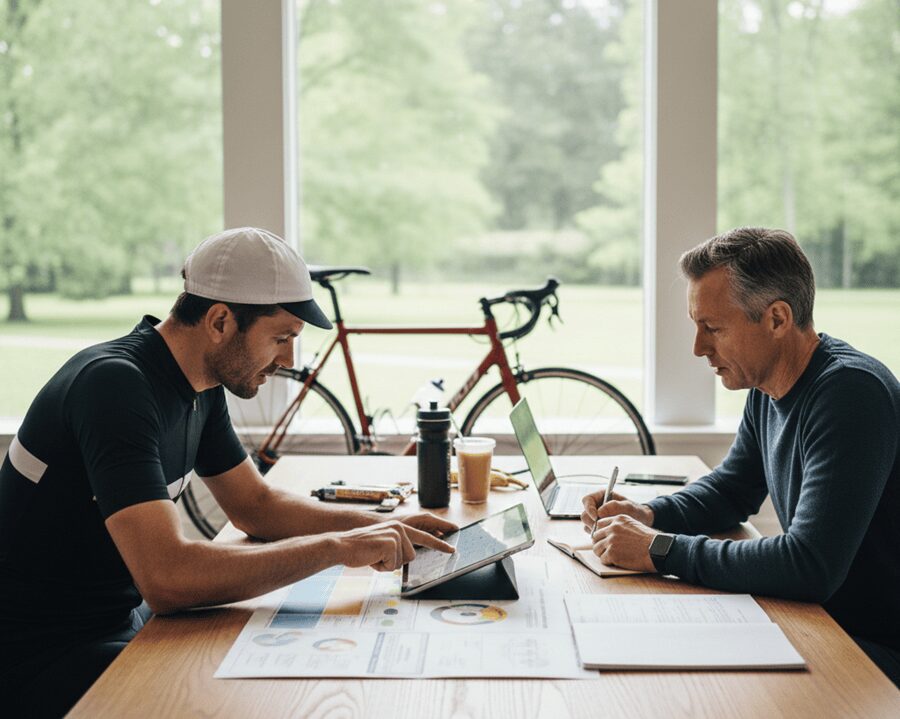
Collecting data is only useful if it drives decisions. At minimum, log every ride, run a 20-minute FTP test every 6–8 weeks, and set power zones based on your current FTP. Structure your training week around zone targets — not feel. Review weekly TSS totals and ensure your hard days are actually hard, your easy days are actually easy, and recovery weeks include a genuine reduction in load.
Wearable tech doesn’t make you faster. Applying what the data tells you does. Used consistently, it compresses the feedback loop between training stimulus and adaptation, letting you make informed adjustments instead of waiting weeks to learn a training block wasn’t working.
Frequently Asked Questions
What is the most important wearable for cycling performance?
A power meter is the most important wearable for cycling performance. It provides objective watt-based data for setting training zones, tracking FTP, and measuring effort precision that heart rate and perceived exertion cannot match.
Do I need a power meter and a heart rate monitor?
Both are useful but serve different purposes. A power meter measures output — what you’re producing. A heart rate monitor measures physiological response — how your body is handling the load. Using both together gives you the most complete picture of training stress and recovery.
How often should I test my FTP with a power meter?
Test FTP every 6 to 8 weeks during an active training block, or after any significant fitness change such as a rest week, illness, or return from a break. Regular testing ensures your training zones reflect your current fitness level.
Want a Training Plan Built Around Your FTP?
Stop guessing at your zones. Answer 7 quick questions and get a personalized FTP roadmap built around your equipment, schedule, and biggest limiter.
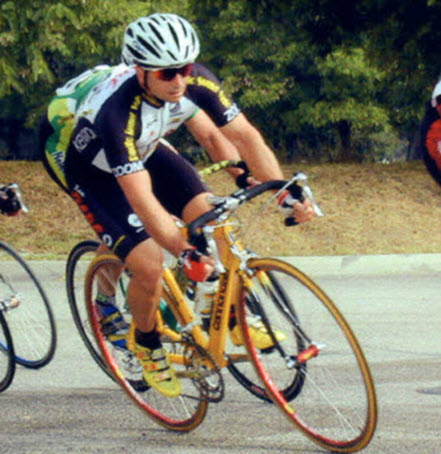
James Hickman is a former USA Cycling Expert-level coach who has worked with cyclists at every level, from beginners to competitive racers. He served as a coach for the Leukemia & Lymphoma Society’s Team In Training program, helping riders prepare for and complete century events. A Masters-category racer himself, he competed and earned podium finishes in Southern California events and holds a Platinum finish at El Tour de Tucson, completing the 100 miles+ in under five hours.
Sponsored · Competitive Cyclist
We are an Amazon affiliate and earn from qualified Amazon purchases with no cost to you. This is for ANY product that you purchase through our links. We are also an affiliate for Competitive Cyclist and JensonUSA. This way we can provide you with competitive pricing and products.