

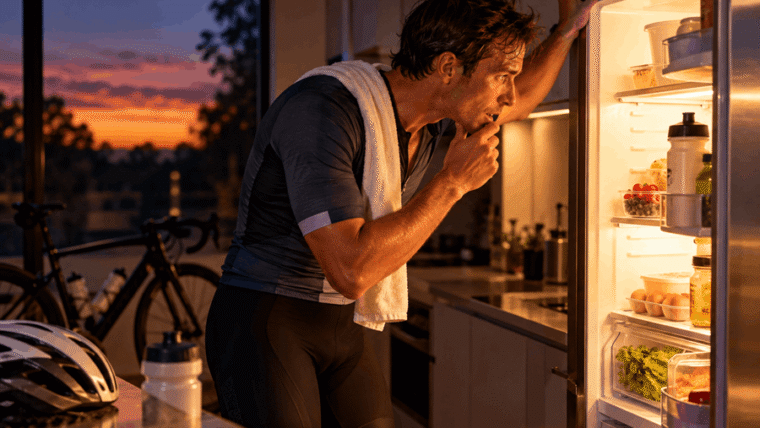
Quick Answer: A 2026 randomized crossover trial in the American Journal of Clinical Nutrition found that people ate about 400 more calories at their next meal and roughly 547 more over the following 24 hours after an evening workout than after the identical session…
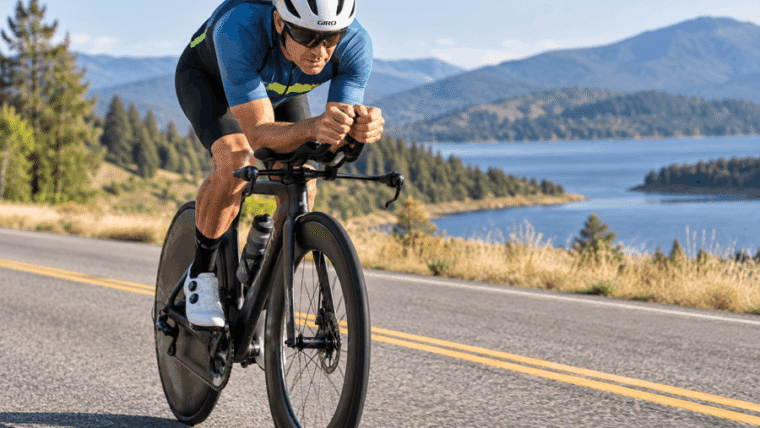
Quick Answer: For a 40K time trial lasting about an hour, ride at roughly 95 to 100% of your true FTP, hold power as even as the course allows, and keep the first five minutes controlled. Pace off lap-average power rather than instant watts,…
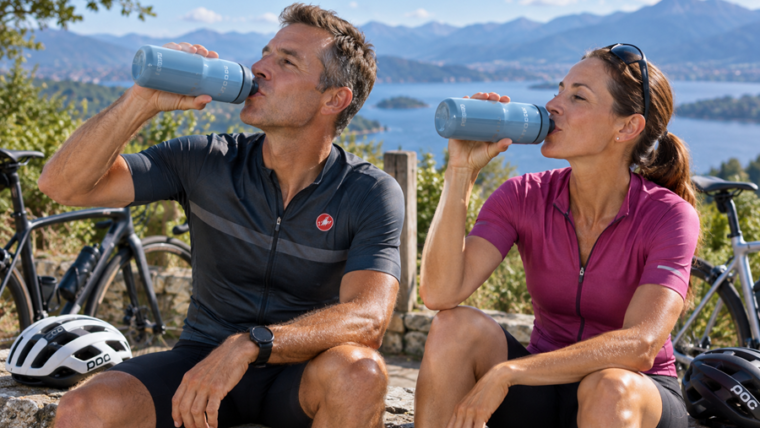
Quick Answer: Cyclists typically lose 1–1.5 liters of fluid per hour during intense riding, and losing just 2% of body weight in sweat can reduce performance by roughly 10%. The most reliable hydration strategy combines a personalized sweat-rate estimate with small, frequent fluid intake…
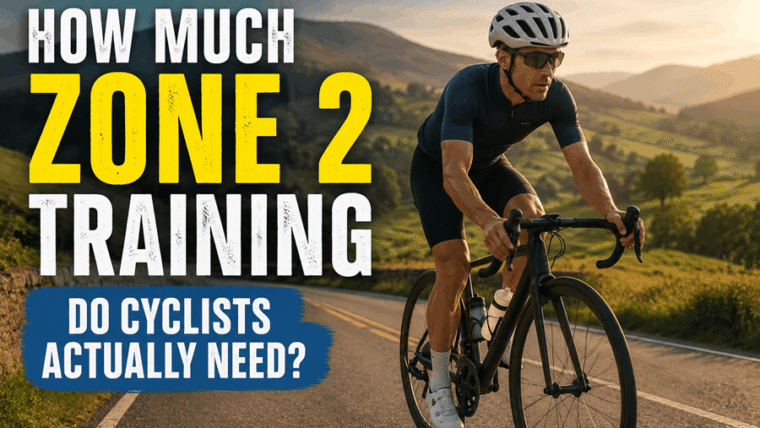
```html Quick Answer: Most recreational cyclists should make Zone 2 the largest part of their weekly riding, but there is no magic percentage that works for everyone. For riders training roughly 5–8 hours per week, about 60–75% of that time at an easy aerobic intensity…
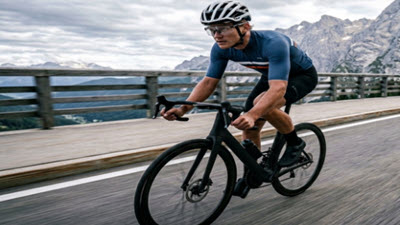
Quick Answer: Your FTP is stuck because you have been training at threshold instead of raising the ceiling above it. FTP is limited by your VO2max, the size of your aerobic base, and how well you fuel — not by how many threshold intervals…
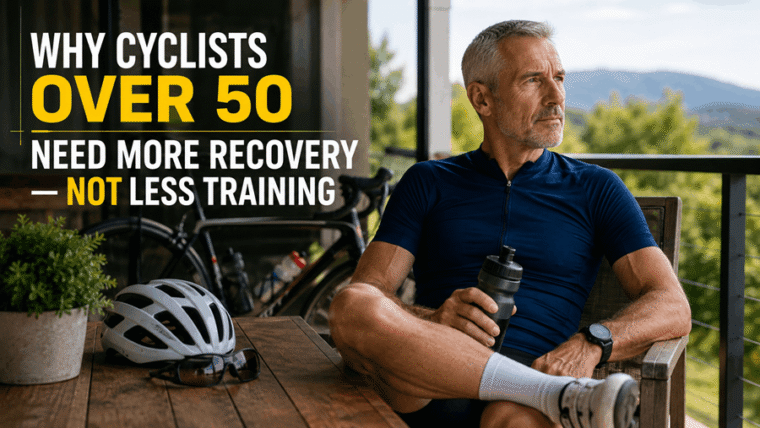
Quick Answer: Cyclists over 50 don't need less training — they need more deliberate recovery wrapped around the same hard work. Longitudinal research on masters endurance athletes shows that roughly half the variance in VO2max decline is explained by how much training people dropped,…