

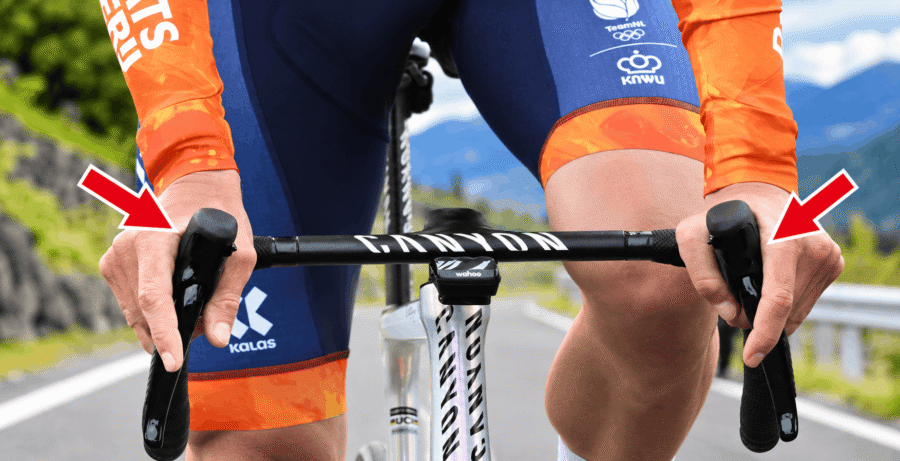
Quick Answer: Shimano has not announced its 13-speed Dura-Ace R9300, but pro teams have raced it since August 2026, and a full release looks unlikely before early 2027. If you need a bike for the coming season, buy current 12-speed Dura-Ace or Ultegra Di2…
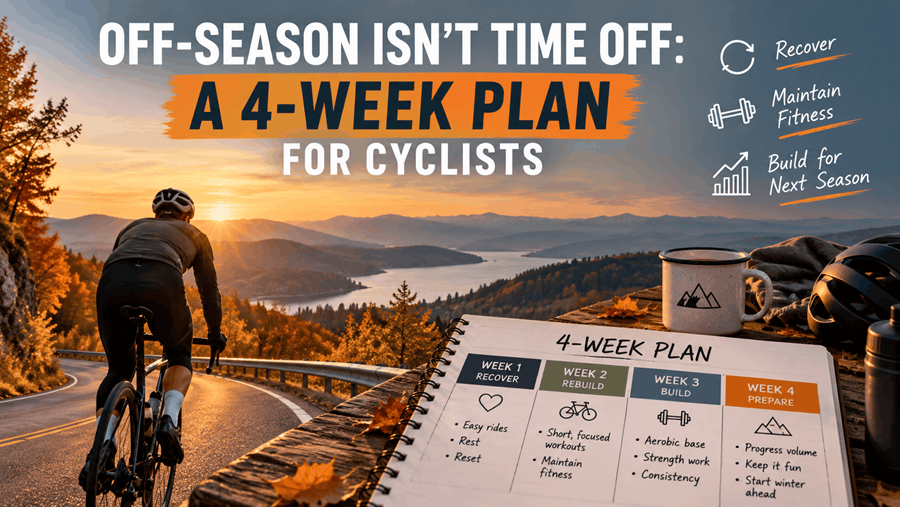
Quick Answer: The off-season is a transition, not a break. October is the time to recover from summer racing, hold onto your fitness with short, focused workouts, and lay the aerobic and strength foundation for next season. Research on detraining shows measurable fitness loss…
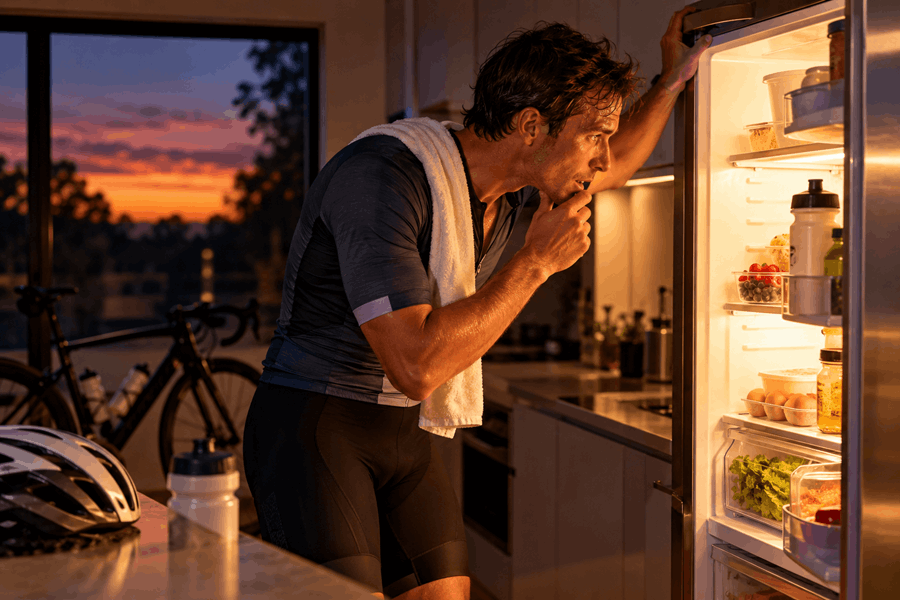
Quick Answer: A 2026 randomized crossover trial in the American Journal of Clinical Nutrition found that people ate about 400 more calories at their next meal and roughly 547 more over the following 24 hours after an evening workout than after the identical session…

Quick Answer: Cold and wet riding is comfortable if you dress in layers, run tougher and slightly wider tires, and add lights for the shorter days. A waterproof shell, thermal gloves and reliable lights give you the biggest improvement per dollar. Everything below can…
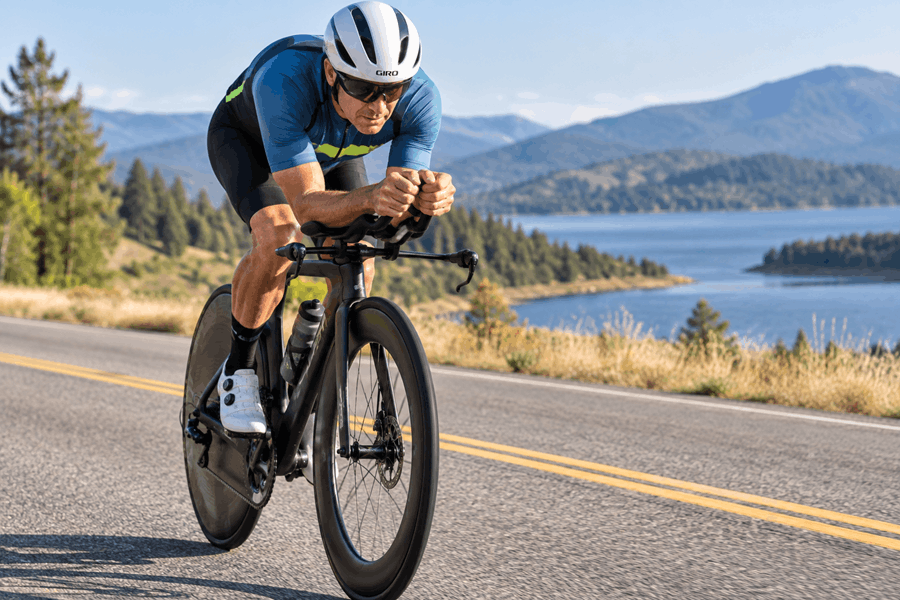
Quick Answer: For a 40K time trial lasting about an hour, ride at roughly 95 to 100% of your true FTP, hold power as even as the course allows, and keep the first five minutes controlled. Pace off lap-average power rather than instant watts,…
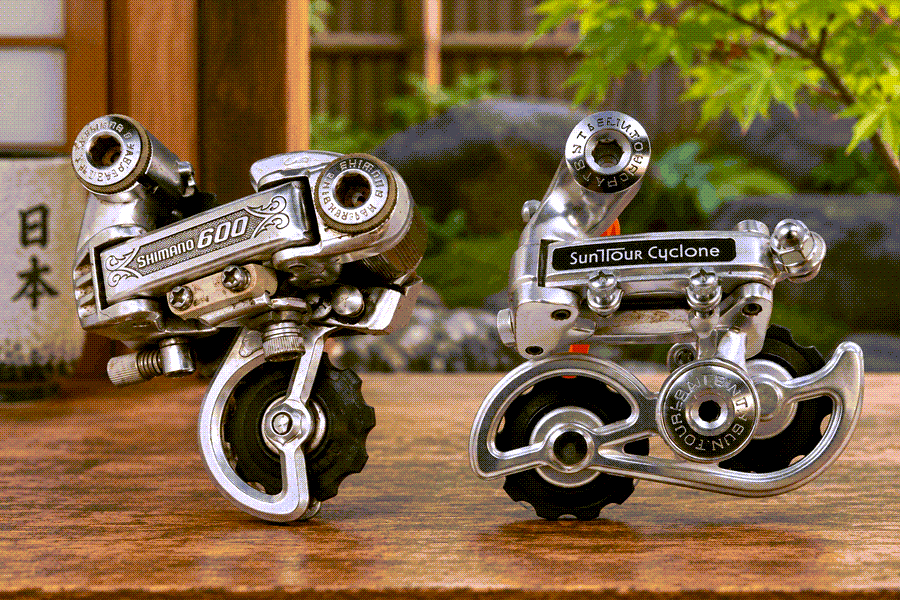
Quick Answer: SunTour made the best-shifting rear derailleurs from 1964 until its slant-parallelogram patent expired in 1984. Shimano won anyway by selling complete, integrated systems, starting with SIS indexed shifting on Dura-Ace 7400 in the mid-1980s, which only worked properly when every drivetrain part…