

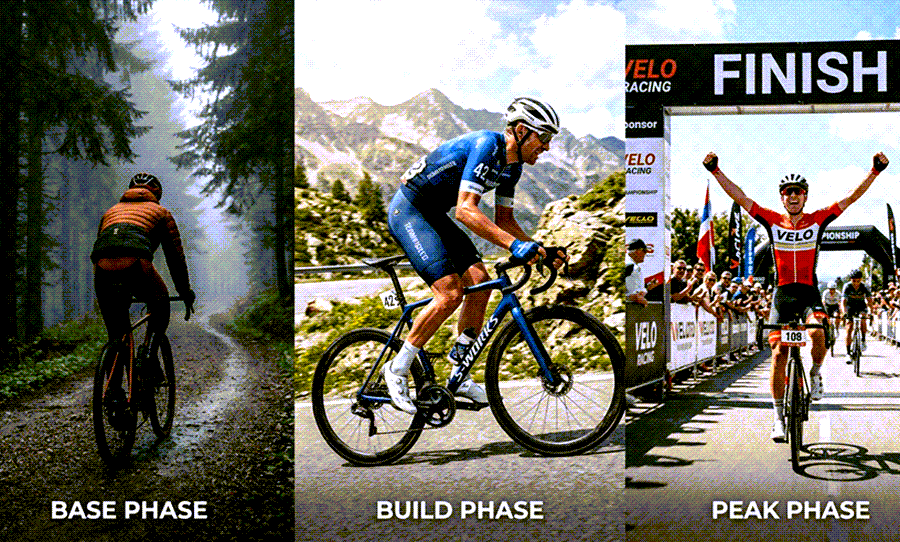
Quick Answer: What is cycling nutrition periodization? Cycling nutrition periodization is the structured adjustment of carbohydrate, protein, and fat intake to match your current training phase — base, build, or peak. By aligning macronutrient targets with training load and intensity, you give your body the right fuel at the right time to adapt, recover, and perform.
Most cyclists follow a training plan. Very few follow a nutrition plan that changes alongside it. That mismatch quietly limits adaptation and performance — not because of effort, but because the fuel doesn’t match the demand.
What Is Cycling Nutrition Periodization?
Cycling nutrition periodization mirrors the logic of periodized training: you don’t train the same way year-round, so you shouldn’t eat the same way year-round. The framework adjusts your carbohydrate, protein, and fat targets based on your training phase, weekly load, and session intensity. The goal is to avoid both under-fueling high-output efforts and over-fueling low-intensity recovery days where excess carbohydrates serve no adaptive purpose.
The three primary levers in cycling nutrition periodization are carbohydrate availability, protein timing, and fat adaptation windows. Each phase of training calls for a different balance across those three.
Base Phase: Build the Engine Without Over fueling

During the base phase, training volume is high but intensity is low — primarily Zone 2 aerobic work. Carbohydrate needs are moderate. Ironically, this is where many cyclists over-consume carbohydrates, blunting fat oxidation adaptations that Zone 2 is specifically designed to build.
Target daily carbohydrate intake in base phase: 5–7g per kilogram of body weight on moderate-volume days, scaling up to 8g/kg on back-to-back long ride days. Protein should remain consistent at 1.6–2.0g/kg daily to support muscle maintenance. Fat intake can be relatively higher here than in later phases, reinforcing the aerobic adaptations Zone 2 demands.
Implementing cycling nutrition periodization in the base phase means resisting the urge to carb-load before every ride — save that strategy for when it actually matters.
Build Phase: Match Fuel to Increasing Intensity
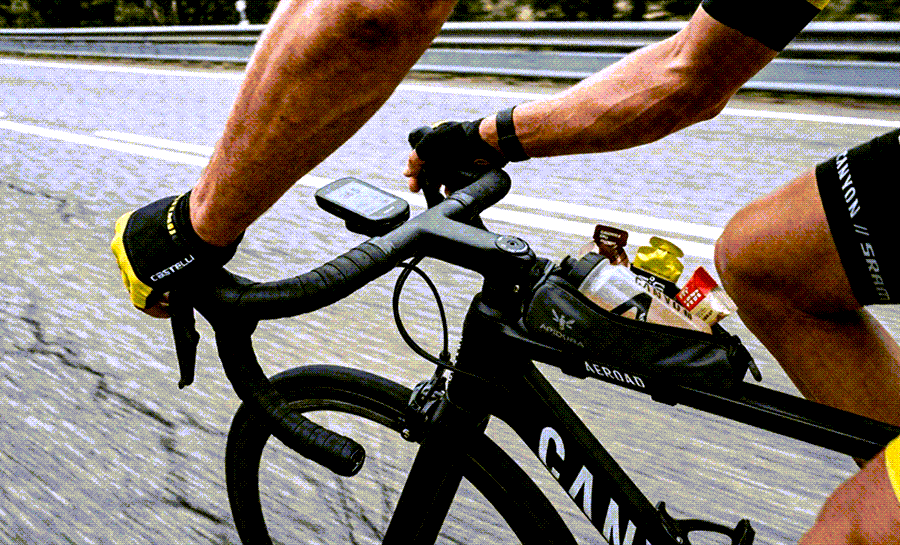
As the build phase introduces threshold intervals, VO2max efforts, and higher-intensity group rides, carbohydrate demand rises sharply. At intensities above 75% of FTP, fat oxidation can no longer meet energy demands alone. Carbohydrate becomes the limiting substrate.
Daily carbohydrate targets in the build phase should climb to 7–10g/kg on key training days. On high-intensity days, pre-session carbohydrate intake (1–4g/kg, 1–4 hours before) is not optional — it directly determines power output ceiling. During sessions exceeding 90 minutes, target 60–90g of carbohydrates per hour using a 2:1 glucose-to-fructose ratio to maximize intestinal absorption. Maurten 320 and SiS Beta Fuel are two products formulated specifically around this ratio and worth keeping in your kit bag.
Post-session recovery nutrition becomes equally critical: 1.0–1.2g/kg carbohydrate combined with 0.3–0.4g/kg protein within 30 minutes restores glycogen and initiates muscle protein synthesis simultaneously.
Looking for quality training nutrition to support your build phase rides? Check out the Coach James Storefront → cycling nutrition essentials.
Peak Phase: Precision Over Volume

In the peak phase, training volume drops and session quality dominates. Cycling nutrition periodization at this stage becomes granular: specific timing around specific sessions, with carbohydrate loading reserved for events or key simulation efforts 48–72 hours out.
Classic carbohydrate loading protocol: 10–12g/kg daily for two to three days prior to a target event. Precision Hydration’s Carb+ or similar maltodextrin-based products make hitting these gram targets realistic without relying entirely on whole food volume. This elevates muscle glycogen stores above baseline levels and measurably delays fatigue onset in efforts lasting 90 minutes or longer. Protein targets stay consistent. Fat intake naturally decreases as carbohydrate intake rises — this is expected and intentional.
One underused strategy in peak-phase cycling nutrition periodization is training the gut during build phase simulations. Race-day nutrition should never be introduced for the first time on race day. Gut tolerance for high carbohydrate intake is trainable; 60 minutes of gut training per week using race-day products builds the absorptive capacity you’ll need when it counts.
FAQs: Cycling Nutrition Periodization
Q1: How do I calculate carbohydrate needs for each training phase? Base carbohydrate targets on body weight and training load. Use 5–7g/kg on low-intensity days, 7–10g/kg on high-intensity days, and 10–12g/kg for pre-event carbohydrate loading. These ranges apply across cycling nutrition periodization phases and should be adjusted based on actual session RPE and duration.
Q2: Should I eat fewer carbohydrates on rest days as part of nutrition periodization? Yes. On rest or recovery days, reducing carbohydrate intake to 3–5g/kg while maintaining protein intake preserves fat oxidation capacity and avoids unnecessary caloric surplus. This is a core principle of cycling nutrition periodization — carbohydrate intake tracks training demand, not routine.
Q3: Does cycling nutrition periodization work for recreational cyclists, not just racers? Yes. Any cyclist training with structure benefits from aligning nutrition to training load. Even without a race calendar, cycling nutrition periodization improves energy levels during rides, speeds recovery between sessions, and supports body composition goals more effectively than a static daily diet.
Want a Training Plan Built Around Your FTP?
Stop guessing at your zones. Answer 7 quick questions and get a personalized FTP roadmap built around your equipment, schedule, and biggest limiter.
James Hickman is a former USA Cycling Expert-level coach who has worked with cyclists at every level, from beginners to competitive racers. He served as a coach for the Leukemia & Lymphoma Society’s Team In Training program, helping riders prepare for and complete century events. A Masters-category racer himself, he competed and earned podium finishes in Southern California events and holds a Platinum finish at El Tour de Tucson, completing the 100 miles+ in under five hours.
Sponsored · Competitive Cyclist
We are an Amazon affiliate and earn from qualified Amazon purchases with no cost to you. This is for ANY product that you purchase through our links. We are also an affiliate for Competitive Cyclist and JensonUSA. This way we can provide you with competitive pricing and products.