

Which is Better in 2026: Zone 2 Training or Sweet Spot?

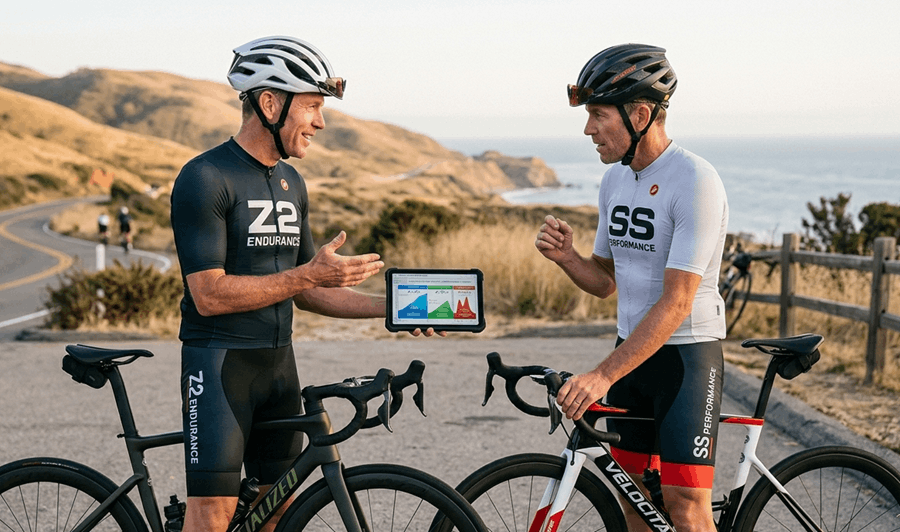
Is polarized training better than sweet spot in 2026? The best training intensity distribution (TID) depends entirely on your weekly volume. Recent 2025-2026 research suggests that while Polarized training (80/20) excels for high-volume athletes (12+ hours), Pyramidal models utilizing Sweet Spot are often more effective for those training under 8 hours per week.
The “Intensity Distribution” Evolution
For years, the cycling world was locked in a binary war: go slow to go fast, or go hard all the time. In 2026, we have moved past the dogma. The conversation has evolved from “which zone is best” to how we distribute our total “stress budget” across a season. Whether you are a criterium racer or a century rider, understanding the nuances of zone 2 training and high-intensity intervals is the difference between a plateau and a PR.
Zone 2: The Foundational Pillar
Why is zone 2 training the most immovable part of the modern training debate? Because it is the only zone that develops Metabolic Durability.
In 2026, coaches define success not just by your 20-minute power, but by your ability to resist fatigue after three hours in the saddle. Zone 2 training (typically 65-75% of your FTP) achieves this by:
Increasing Mitochondrial Density: Creating more “cellular power plants.”
Lactate Clearance: Teaching your body to use lactate as fuel.
Aerobic Threshold Shift: Allowing you to ride faster while staying in a fat-burning state.

The Polarized vs. Pyramidal Showdown
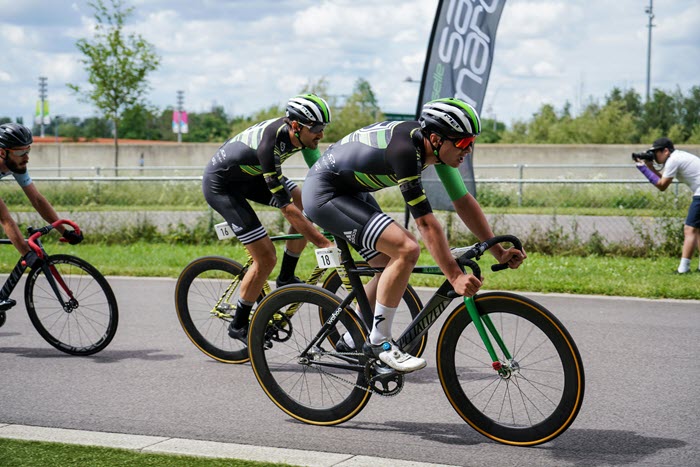
What does the 2025–2026 science say about the “80/20” rule? The landmark polarized training research (skipping the middle zones entirely)—popularized by Dr. Stephen Seiler—is now being viewed through a more nuanced lens. This shift is supported by a study published in the International Journal of Sports Physiology and Performance titled Differences in Polarization Index of Elite and Subelite Adult Cyclists During a 12-Month Training Cycle. The researchers, Cove et al. (2025), found that “elites” often utilized a Pyramidal model during their base phase. This means they spent significant time in “Zone 3” or Sweet Spot, suggesting that the strict 80/20 polarized split may be more of a peaking tool than a year-round requirement.
Sweet Spot: The “Utility Dose” for the 9-to-5 Cyclist
“Is Sweet Spot training still relevant in 2026? Absolutely. The biggest critique of zone 2 training is the time requirement. If you only have 6 hours a week to train, spending 5 of them in Zone 2 may not provide enough stimulus to trigger a change. This is where Sweet Spot—a concept popularized through the training zones developed by Dr. Andrew Coggan—shines.
By targeting 88-94% of your FTP, it offers the ‘maximum bang for your buck,’ allowing time-crunched riders to simulate the physiological stress of longer rides in half the time.”
Looking to take your sweet spot training indoors? View the Best Indoor Trainers for Sweet Spot Sessions at JensonUSA — top-rated smart trainers at competitive prices.
Choosing Your Model: 2026 Training Volume Guide
Use the table below to determine which intensity distribution fits your lifestyle.
| Training Volume | Recommended Model | Primary Focus |
| < 6 Hours/Week | Pyramidal / Sweet Spot | Efficiency & Threshold |
| 7–11 Hours/Week | Hybrid / Mixed | Durability & FTP |
| 12+ Hours/Week | Polarized (80/20) | Capacity & Burnout Prevention |
Emerging 2026 Trends: Mental Bandwidth and AI
We are seeing a massive shift toward Mental Bandwidth management. In a world of constant notifications and AI-generated workout prompts, the “Zero-Data Ride” has become a vital tool for recovery. Additionally, modern AI coaching platforms are now smart enough to recognize when you are “over-polarized,” automatically injecting Sweet Spot sessions when your aerobic floor starts to drop.
I’m excited to promote the Therabody RecoveryPulse Calf because recovery is the missing piece many cyclists overlook. Through my sites—Paceline Bikes, Functional Threshold Power, Endurance Training Program, and Cycling Strength Training—I focus on evidence‑based performance and recovery tools. This product aligns perfectly with that mission by combining compression and vibration therapy to help riders bounce back faster and train more consistently.
Frequently Asked Questions (AEO)
Can I mix Sweet Spot and Polarized training?
Yes. Most successful 2026 training plans use “Block Periodization,” where you might focus on a Pyramidal/Sweet Spot build in the winter and shift to a Polarized model 8 weeks before your goal race to sharpen your top-end power.
Does zone 2 training make you slow?
No. Zone 2 training raises the “floor” of your fitness. By improving your aerobic efficiency, you save your high-glycolytic “matches” for when the race actually starts, making you faster when it counts.
How do I know if I’m doing too much Sweet Spot?
If your resting heart rate is rising or you find yourself unable to hit your “Peak Power” during sprint sessions, you are likely suffering from “Middle-Zone Fatigue.” Swap a Sweet Spot session for a pure zone 2 training ride to recover.
Want a Training Plan Built Around Your FTP?
Stop guessing at your zones. Answer 7 quick questions and get a personalized FTP roadmap built around your equipment, schedule, and biggest limiter.
James Hickman is a former USA Cycling Expert-level coach who has worked with cyclists at every level, from beginners to competitive racers. He served as a coach for the Leukemia & Lymphoma Society’s Team In Training program, helping riders prepare for and complete century events. A Masters-category racer himself, he competed and earned podium finishes in Southern California events and holds a Platinum finish at El Tour de Tucson, completing the 100 miles+ in under five hours.
We are an Amazon affiliate and earn from qualified Amazon purchases with no cost to you. This is for ANY product that you purchase through our links. We are also an affiliate for Competitive Cyclist and JensonUSA. This way we can provide you with competitive pricing and products.