


Quick Answer: What Is Seasonal Cycling Training?
Seasonal cycling training is a periodization approach that adjusts your ride volume, intensity, and focus across spring, summer, autumn, and winter. By aligning your training with the calendar, you build fitness progressively, reduce injury risk, and arrive…
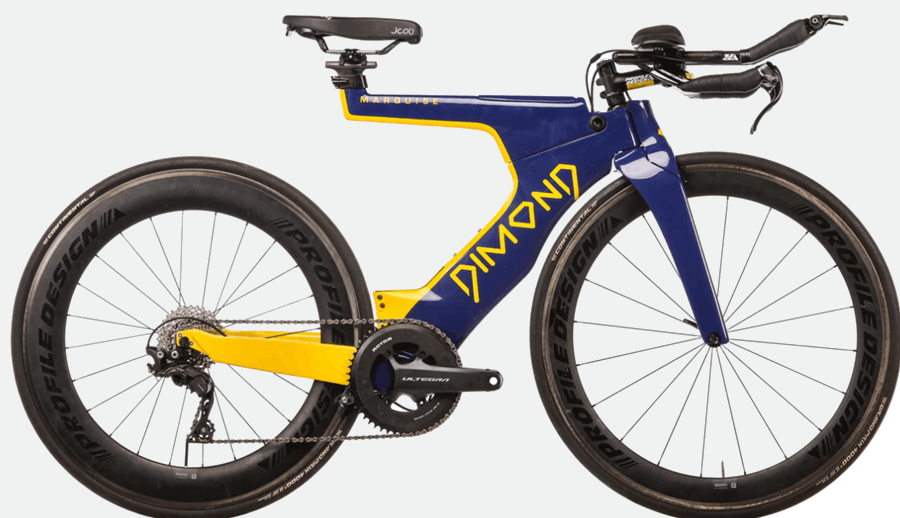
Quick Answer: The Dimond Marquise is a beam-design triathlon bike handmade in the U.S.A. It uses a wishbone (beam) frame instead of a traditional seat tube to reduce aerodynamic drag across straight-on and yaw wind angles. The Marquise is the stiffer, higher-power-transfer evolution of…
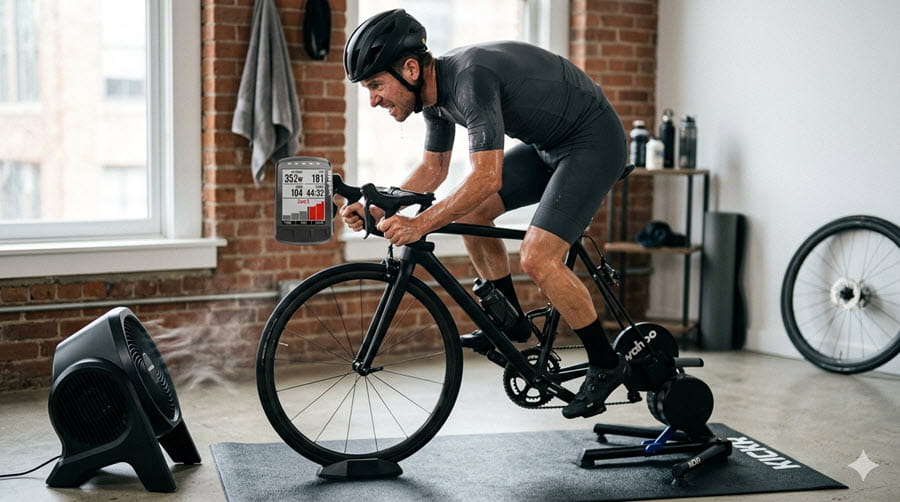
Quick Answer: FTP testing measures your functional threshold power to set accurate training zones. Most cyclists should repeat FTP testing every 4-6 weeks during a focused training block, which gives the body time to adapt and show measurable gains. Testing more often risks fatigue…
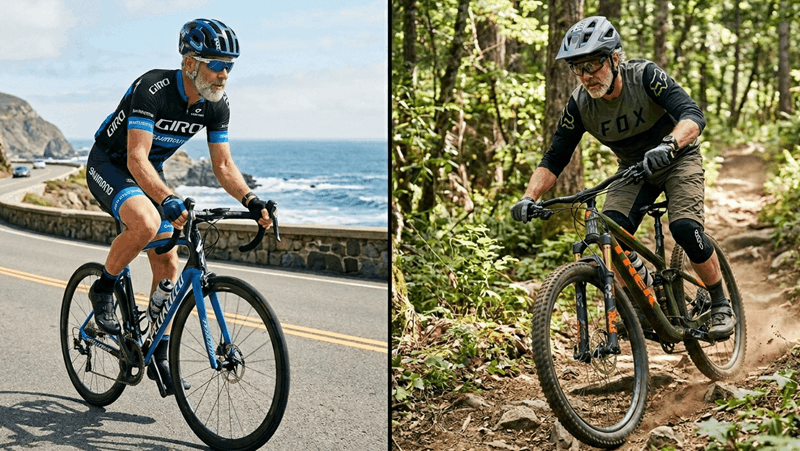
Quick Answer: Why Does Your 30s Training Plan Fail After 40?
After 40, your body recovers more slowly, loses VO2max capacity faster, and responds differently to high-intensity work. The training plan that made you faster at 35 now creates fatigue you can't clear between…
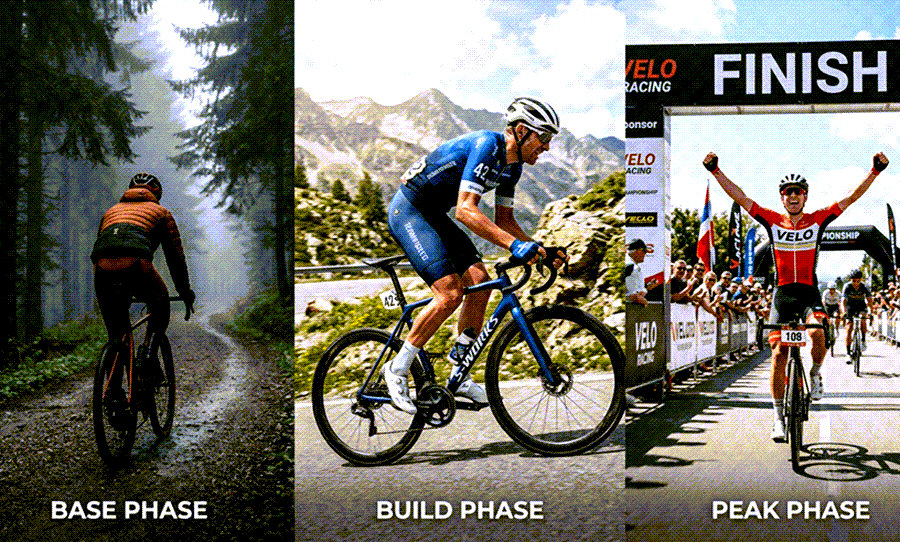
Quick Answer: What is cycling nutrition periodization? Cycling nutrition periodization is the structured adjustment of carbohydrate, protein, and fat intake to match your current training phase — base, build, or peak. By aligning macronutrient targets with training load and intensity, you give your…

Quick Answer: FTP Benchmarks by Age
FTP benchmarks by age fall into four broad experience tiers: beginners produce 1.5–2.5 w/kg, intermediate riders 2.6–3.5 w/kg, advanced amateurs 3.6–4.5 w/kg, and elite athletes 4.6+ w/kg. Peak FTP typically occurs between the late 20s and mid-40s, but…
How Does Wearable Technology Improve Cycling Performance?
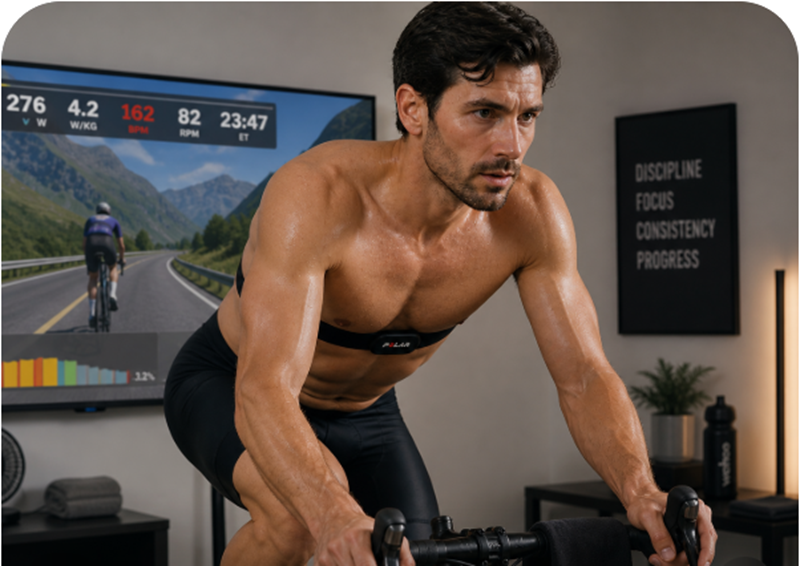
Quick Answer: Wearable cycling technology — including power meters, heart rate monitors, and GPS sensors — gives riders objective, real-time data on power output, training zones, and recovery. This allows for precise FTP-based training that replaces guesswork…
Do cycling performance myths actually affect training outcomes?
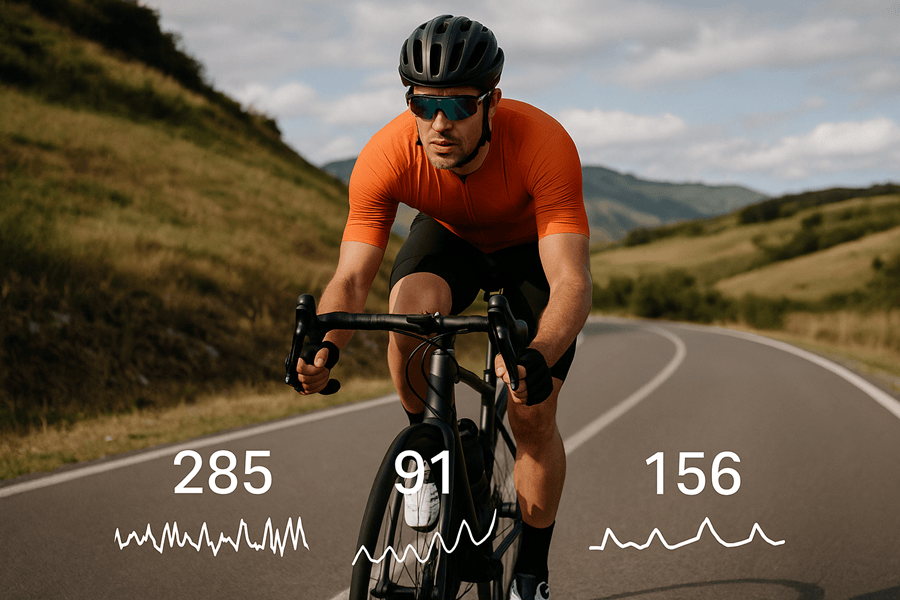
Yes. Training based on outdated concepts—such as "lactic acid causes soreness" or "stay in the fat-burning zone"—leads to suboptimal workload distribution, poor nutrition timing, and missed fitness adaptations. Evidence-based training consistently outperforms folklore. …
Which is Better in 2026: Zone 2 Training or Sweet Spot?
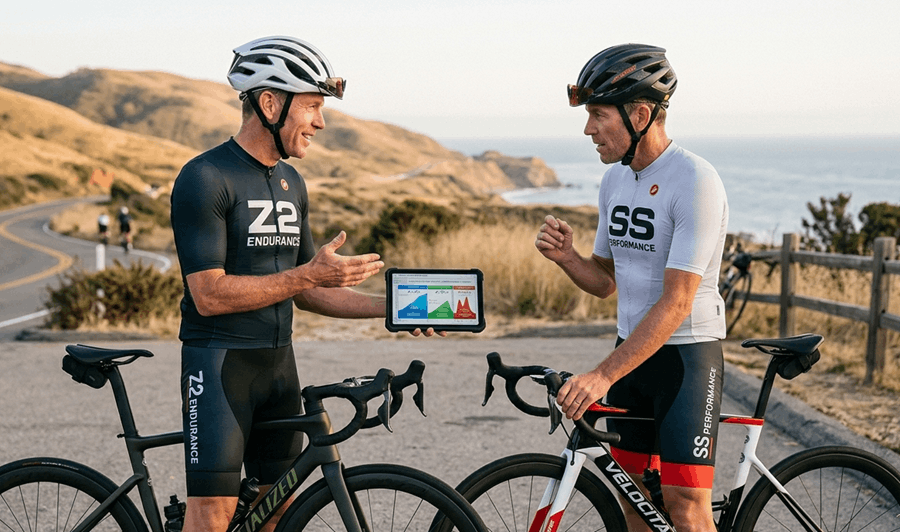
Is polarized training better than sweet spot in 2026? The best training intensity distribution (TID) depends entirely on your weekly volume. Recent 2025-2026 research suggests that while Polarized training (80/20) excels…