

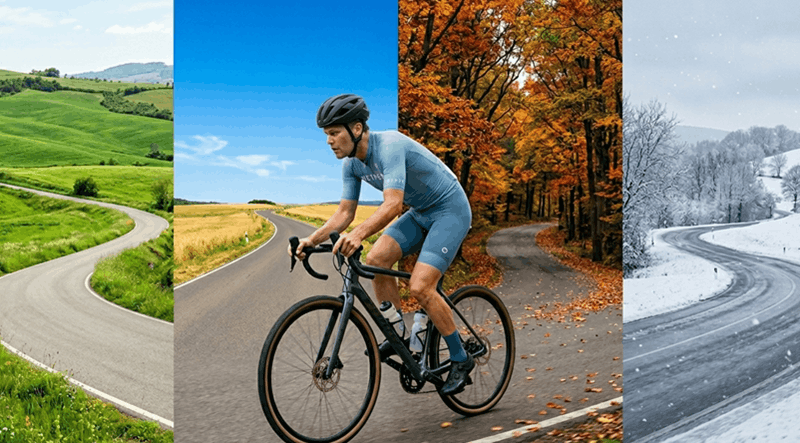
Seasonal cycling training is a periodization approach that adjusts your ride volume, intensity, and focus across spring, summer, autumn, and winter. By aligning your training with the calendar, you build fitness progressively, reduce injury risk, and arrive at peak performance right when it matters most.
Most cyclists train roughly the same way in February as they do in July — same efforts, same routine, same results. Then they wonder why fitness plateaus or injuries pile up heading into summer. The truth is, your body doesn’t operate in a climate-controlled vacuum. Temperature, daylight, terrain, and recovery capacity shift dramatically across the year. This is the core idea behind periodization — what coach Joe Friel describes as structuring your year into periods that prepare you for the specific demands of your target events. Seasonal cycling training turns those environmental shifts from obstacles into advantages, and it may be the single most underrated strategy available to everyday riders.
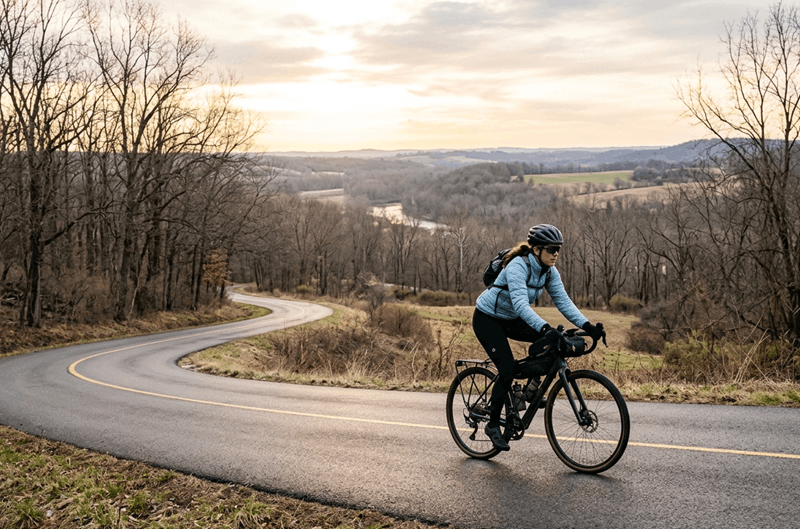
Spring Cycling Training: Build Your Base First
Spring is the ideal launchpad for your cycling year. As temperatures climb and daylight extends, your body is primed for aerobic development. This is the window for steady-state miles at a comfortable Zone 2 pace — the kind of riding where you can hold a conversation but still feel the effort accumulating.
Keep intensity moderate and focus on weekly consistency. A 10% mileage increase per week is a safe ceiling. Spring is also the right moment to re-establish your FTP benchmark after winter. Knowing where you’re starting from makes every subsequent phase of your seasonal cycling training more precise and more effective.
Don’t overlook your bike fit this time of year. After months off the road, even small saddle height or cleat adjustments can cause disproportionate discomfort. Catch fit issues now, before your volume ramps up in earnest.
Equip yourself for a strong spring season at Competitive Cyclist. They carry an exceptional selection of road bikes, components, and cycling apparel from top brands like Specialized, Trek, and Castelli — and their knowledgeable Gearheads are on hand to help you find the right fit for your riding goals.
Affiliate partner — we may earn a commission at no cost to you.
Summer Cycling Training: Push Your Limits
Long days and warm temperatures make summer the season for hard work. With your spring base in place, you’re ready to layer in longer efforts, race-pace riding, and structured intervals — threshold blocks, VO2 max sessions, and extended endurance rides all belong here.
Heat adaptation is non-negotiable. Gradually shift rides toward the warmer parts of the day to help your body acclimate, and don’t underestimate fluid losses. Electrolyte tablets are a simple, cost-effective way to maintain power output and avoid cramping on longer summer efforts. If your goals include gran fondos, century rides, or competitive events, the bulk of that training volume belongs in this window — use it fully.
Autumn Cycling Training: Dial Back and Sharpen Your Edge
Autumn is the most underestimated phase of seasonal cycling training. Race season winds down, the pressure lifts, and most riders simply coast into winter. The smarter move is to drop volume intentionally while sharpening specific skills.
This is an ideal window for climbing technique, pedaling efficiency work, and short high-intensity intervals. Boosting your VO2 max and anaerobic capacity in autumn creates a meaningful head start on next season’s fitness ceiling before winter sets in. Consider tracking your efforts with a cycling GPS computer — reliable power and trend data from autumn carries enormous value into your off-season review.
For all your cycling gear needs heading into the off-season, JensonUSA offers a massive inventory of bikes, components, nutrition, and accessories at competitive prices. From quality indoor trainers to cold-weather riding kit, JensonUSA has everything you need to stay equipped and on track year-round.
Affiliate partner — we may earn a commission at no cost to you.
Winter Cycling Training: Recover, Cross-Train, and Reset
Winter isn’t downtime — it’s a different kind of training time. Indoor sessions on a smart trainer keep your aerobic base alive without the exposure risk of cold-weather road riding. Pair structured workouts with cross-training — yoga, weight training, and swimming are all excellent choices — to maintain full-body fitness and address the muscle imbalances that cycling tends to create over a long season.
Use the quieter months to evaluate honestly what worked in the past year and what didn’t. Athletes who do this reflection step consistently tend to improve faster than those who simply repeat the same annual pattern without adjustment. Set specific, measurable goals now so spring doesn’t catch you flat-footed.
Making Seasonal Cycling Training Work for You
The value of seasonal cycling training isn’t complexity — it’s consistency. Spring builds your engine. Summer runs it hard. Autumn refines it. Winter rebuilds it. Follow that cycle with intention and progressive overload, and year-over-year improvement stops being the lucky outcome and starts being the expected one.
Related Reading
 Training | 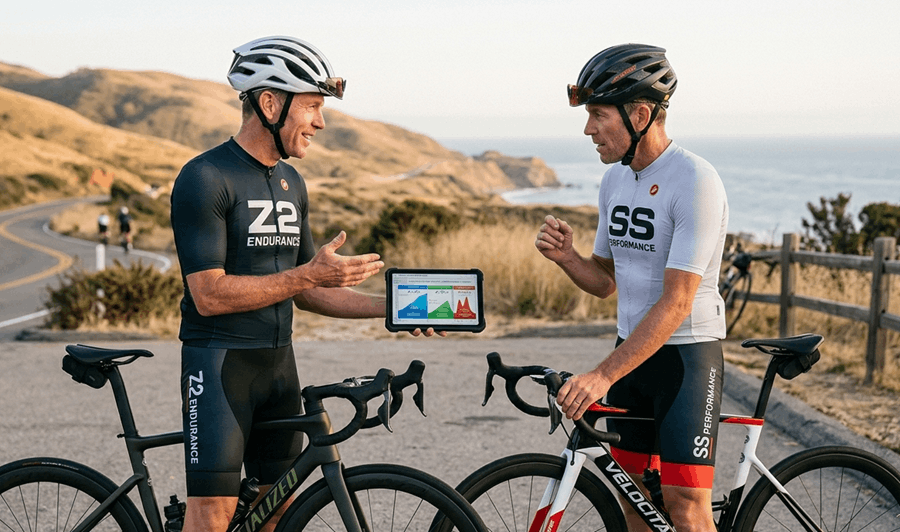 Training Zone 2 Training vs. Sweet Spot: The 2026 Cycling Debate Guide | 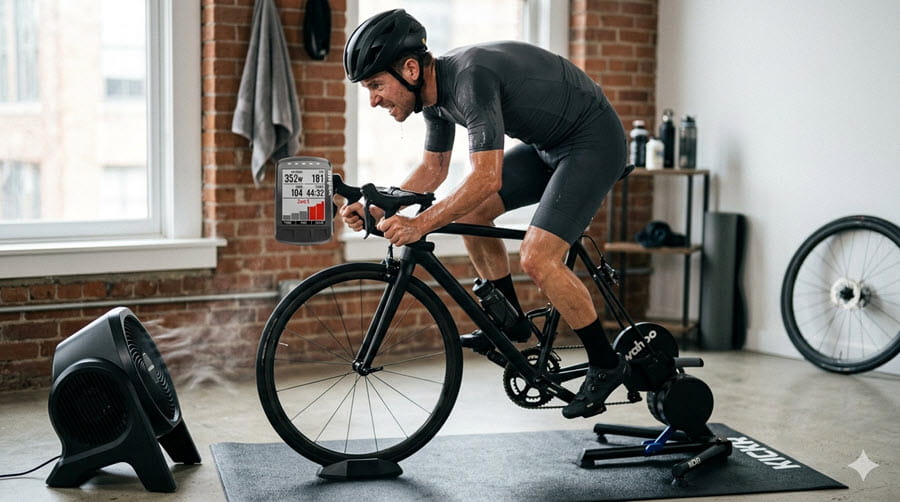 Training |
Frequently Asked Questions
What is seasonal cycling training?
Seasonal cycling training is a structured approach to planning your riding across the four seasons. Each phase serves a distinct purpose: spring for aerobic base building, summer for high-volume and high-intensity work, autumn for technique and interval sharpening, and winter for recovery and cross-training. It’s periodization aligned to the natural calendar rather than an arbitrary training block schedule.
How should I adjust my cycling training in winter?
In winter, reduce outdoor volume and shift focus to indoor trainer sessions, cross-training, and genuine recovery. Activities like yoga, weight training, and swimming maintain fitness while giving cycling-specific muscles a real break. Use this period to review your past season honestly, identify gaps, and set clear goals for the year ahead.
Should I do intervals in spring or wait until summer?
In spring, keep interval work minimal and prioritize Zone 2 base miles. Introducing high-intensity sessions too early — before a solid aerobic base is established — limits their effectiveness and raises injury risk. A modest amount of tempo or threshold work is acceptable in late spring, but the main interval blocks belong in summer once your base is firmly in place.
Want a Training Plan Built Around Your FTP?
Stop guessing at your zones. Answer 7 quick questions and get a personalized FTP roadmap built around your equipment, schedule, and biggest limiter.
James Hickman is a former USA Cycling Expert-level coach who has worked with cyclists at every level, from beginners to competitive racers. He served as a coach for the Leukemia & Lymphoma Society’s Team In Training program, helping riders prepare for and complete century events. A Masters-category racer himself, he competed and earned podium finishes in Southern California events and holds a Platinum finish at El Tour de Tucson, completing the 100 miles+ in under five hours.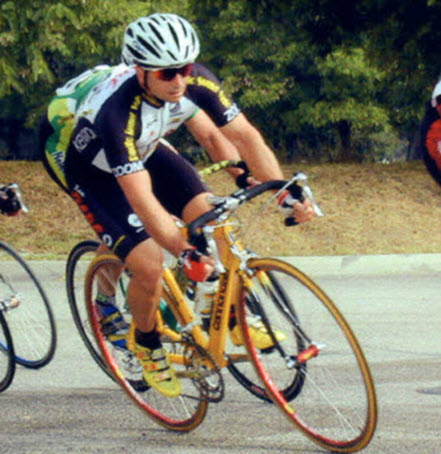
Sponsored · Competitive Cyclist
We are an Amazon affiliate and earn from qualified Amazon purchases with no cost to you. This is for ANY product that you purchase through our links. We are also an affiliate for Competitive Cyclist and JensonUSA. This way we can provide you with competitive pricing and products.