

By James Hickman | Updated July 2026
Amazon Affiliate I earn from qualified purchases
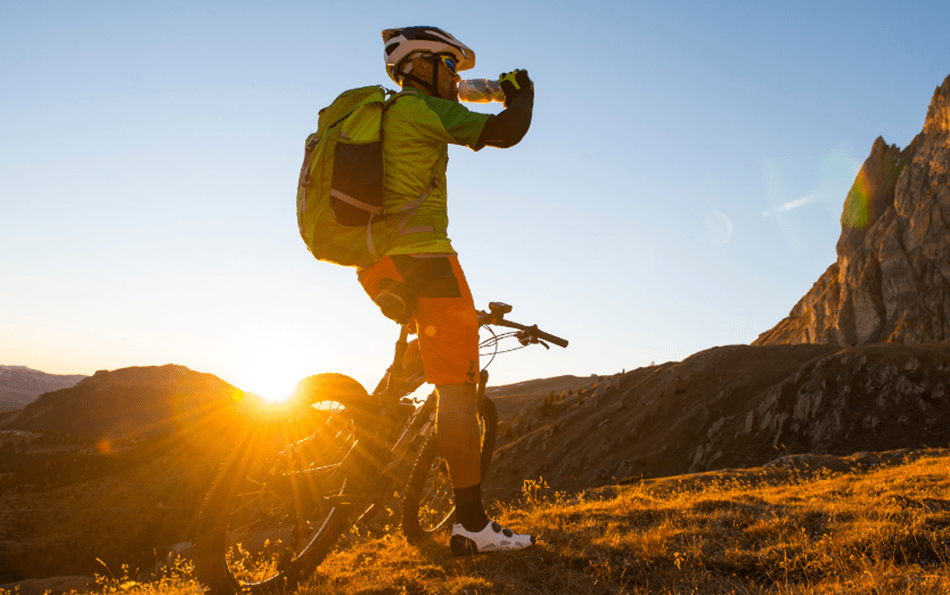
Most riders think about hydration only once they’re already thirsty, which is exactly the problem. Thirst is a lagging indicator — by the time it kicks in, a measurable performance deficit has usually already set in. For cyclists, who generate significant heat while sitting in still or self-created airflow for hours at a time, getting ahead of fluid loss is one of the simplest, lowest-cost ways to protect your power output and avoid a rough back half of a ride.
Why Hydration Matters More on the Bike
Cycling produces sustained internal heat with less convective cooling than running, particularly at lower speeds or in a paceline where riders sit close together. Sweat is the body’s primary cooling mechanism, but it also carries away sodium, potassium, and other electrolytes that muscles and nerves depend on. Even mild fluid loss — around 2% of body weight — has been linked to a roughly 10% drop in exercise capacity, along with reduced blood flow efficiency and slower clearance of metabolic byproducts like lactate. Push past that into 5% or more, and riders commonly report headaches, nausea, and difficulty concentrating, all of which show up as ragged pacing and poor decision-making in a group ride or race.
How Much Fluid Cyclists Actually Need
Baseline daily fluid needs run about 30ml per kilogram of body weight, which puts most adult cyclists in the 2–3.5 liter range before accounting for training. Add exercise, and the math changes fast: intense riding in warm conditions can push sweat losses to 1–1.5 liters per hour, and that figure varies enormously by rider, climate, and effort level. Generic hydration charts are a starting point, not a plan — the only way to know your real number is to test it.
Calculating Your Personal Sweat Rate
Weigh yourself nude immediately before and after 30–60 minutes of hard, steady effort, without eating, drinking, or urinating during the test. Every kilogram of body weight lost equals roughly one liter of sweat, so a digital scale that reads to 0.1 kg is worth having for this — rounding to the nearest pound throws away too much of the signal on a 60-minute test. Multiply that loss out to an hourly rate, and you have a number specific to your body and conditions rather than a population average — worth repeating across a hot-weather ride and a cool one, since sweat rate shifts with temperature and humidity.
Electrolytes and the Hyponatremia Risk
Water alone isn’t the full answer on longer rides. Sweat carries sodium out with it, and replacing large fluid volumes with plain water while under-replacing sodium can lead to hyponatremia — a dangerously low blood sodium concentration. Early signs include swollen hands or feet and a puffy feeling; in severe cases it can progress to confusion and is a medical emergency. This is mostly a risk on ultra-distance rides or hot, multi-hour efforts where riders drink aggressively without a matching electrolyte plan, so sodium replacement — through an electrolyte mix, salted foods, or sodium tablets — deserves as much attention as total fluid volume once rides stretch past two hours.
Heat Acclimatization: Training Your Body to Sweat Better
The first genuinely hot ride of the season always feels worse than it should. That is not a fitness problem. It is an adaptation problem, and it resolves faster than most riders expect.
Repeated exposure to heat produces a specific set of changes. Blood plasma volume expands, which gives you more circulating fluid to work with. Sweating begins earlier in the ride and at a higher total rate, so cooling starts before core temperature climbs. And the sweat itself becomes more dilute — your body gets better at reclaiming sodium before it leaves the skin. The practical result is a lower heart rate and lower core temperature at the same power output.
The timeline is roughly 10 to 14 days of consistent exposure, with most of the benefit arriving in the first week. Sessions of 60 to 90 minutes in the heat are enough; you do not need to train hard, you need to be hot. Riders who cannot access real heat can get partial adaptation from indoor sessions with the fans off, though that is a harder way to spend an hour.
Two things riders get wrong about this. First, acclimatization does not reduce your fluid needs — it increases them, because you are sweating more. What changes is sodium loss per liter, not total volume. Second, it decays. A week or two away from the heat gives back a meaningful chunk of the adaptation, which is why the first hot ride after a cool spell can feel like starting over.
Coach James: If you have a hot event on the calendar, count backward two weeks and build heat exposure in deliberately. Riders who show up unacclimatized to a summer century are the ones cramping at mile 70 — not because they trained badly, but because they trained in the wrong conditions.
A Practical Hydration Timeline
Before the Ride
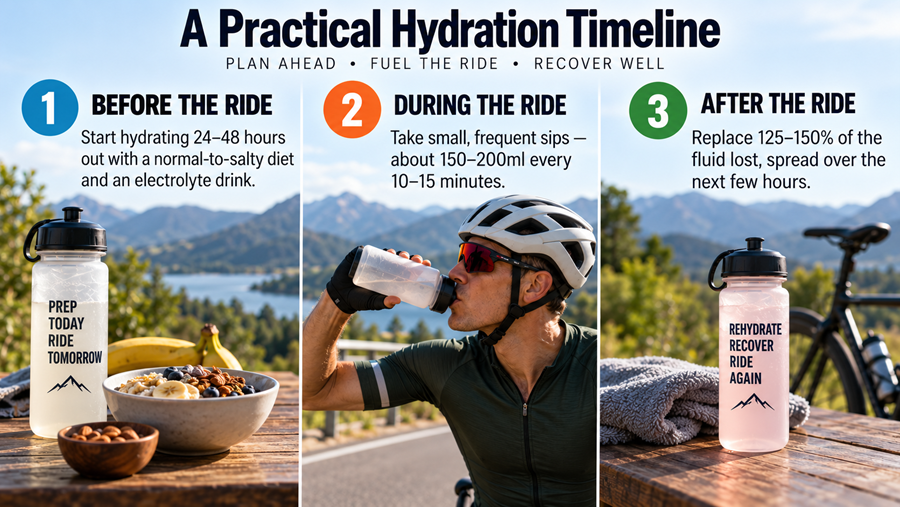
For long events, start hydrating with a slight sodium bump two days out — a normal-to-salty diet and an electrolyte drink is enough for most riders. Aim to be slightly over your calculated fluid need in the 24–48 hours before a big effort, without overdoing it (10% above baseline is a reasonable ceiling).
During the Ride
Small, frequent sips beat large, infrequent gulps. Target 150–200ml every 10–15 minutes rather than waiting until you’re thirsty and draining half a bottle at once — single intakes over 300–400ml raise the odds of gastrointestinal discomfort. A quality insulated bottle keeps drinks palatable in warm conditions, and a reliable electrolyte mix (both available through retailers like Competitive Cyclist) makes it easier to stick with a consistent plan instead of guessing bottle to bottle.
After the Ride
Weigh yourself again post-ride and replace 125–150% of the weight lost, spread in small portions over the following hours rather than chugged all at once. For most training rides, rehydration is complete within a few hours; after very long events, give it up to two days. Alcohol slows the process and adds a diuretic effect, so it’s worth skipping if you have another hard effort within the week.
Choosing the Right Drink for the Effort
Not every ride calls for the same drink. Hypotonic drinks (low sugar, low osmolality) work fine for efforts under an hour where fluid replacement matters more than fuel. Isotonic drinks — the standard choice for most rides over an hour — are formulated to match the body’s own fluid concentration for faster absorption, and they typically supply both carbohydrate and sodium. Hypertonic drinks, higher in sugar or protein, are better suited to post-ride recovery than to sipping mid-effort, since they absorb more slowly and can sit heavy on the stomach during hard riding.
Bottles or a Hydration Pack?
How you carry fluid changes how much of it you actually drink, which makes this less trivial than it sounds.
Bottles have one advantage that outweighs most of the rest: you can see what you have used. A rider working from two 750ml bottles knows exactly where they stand at any point in the ride, which makes a sipping schedule enforceable. Bottles are also easy to clean properly, easy to refill at a stop, and let you run different contents in each cage — plain water in one, concentrated mix in the other.
Hydration packs win on capacity and access. Two to three liters on your back means fewer stops on remote gravel or mountain routes, and drinking hands-free matters when the terrain will not let you reach down for a bottle. The trade-offs are real, though. You lose track of intake almost immediately, the weight sits high on your shoulders, the bladder traps heat against your back, and anything sugary left in a reservoir grows things you do not want to drink. Amazon Affiliate I earn from qualified purchases
The setup I recommend to riders doing long days in remote terrain is both: plain water in the pack for volume, and a bottle with your electrolyte and carbohydrate mix so the dose stays measurable. Keep the sugar out of the bladder and cleaning stops being a chore. Electrolyte mixes and hydration gear at Competitive Cyclist →
Cold-Weather Hydration: The Loss Nobody Notices
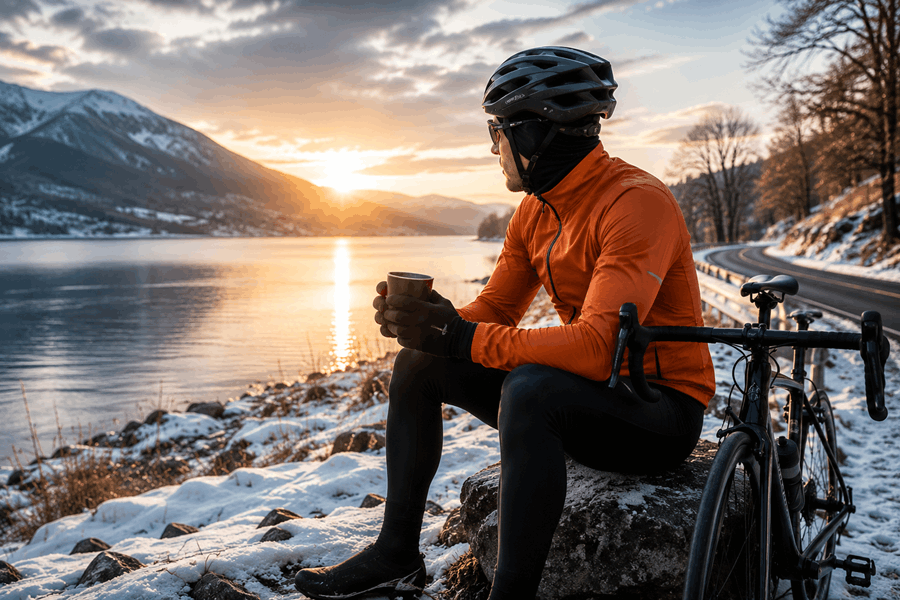
Riders dehydrate in winter and rarely see it coming, because every signal that normally prompts drinking gets quieter in the cold.
Cold triggers peripheral vasoconstriction — blood pulls in from the extremities toward the core. Your body reads the resulting rise in central blood volume as excess fluid and increases urine output to shed it. This is cold-induced diuresis, and it means you lose water faster while feeling less thirsty, since thirst perception is blunted in cold conditions.
At the same time, respiratory losses climb. Cold air holds very little moisture, and every breath you exhale leaves the body fully humidified. Over three hours of hard breathing in dry winter air that adds up to a real volume. And you are still sweating underneath the layers — you just cannot see it evaporate, and you cannot feel it on your skin.
The behavioral problem compounds the physiological one. Nobody wants to pull a freezing bottle out of the cage, so bottles go untouched, and on long enough rides the valve freezes shut and settles the question for you.
What works: fill with warm liquid before you leave, use an insulated bottle, mount it upside down or blow the fluid back out of the nozzle after each drink so the valve does not freeze, and stash a spare in a jersey pocket where body heat keeps it liquid. Most importantly, drink on a schedule rather than on thirst. In winter, thirst is not just a lagging indicator — it barely shows up at all.
Caffeine, Alcohol, and the Dehydration Myth
The idea that pre-ride coffee puts you in a fluid hole has been repeated for decades and does not hold up well. At the doses most riders actually consume, caffeine produces a mild diuretic effect that is largely offset by the fluid the coffee itself contains, and habitual caffeine users show even less of a response. Your morning cup counts toward your daily intake rather than against it.
Caffeine is a legitimate performance aid on the bike for entirely separate reasons — reduced perception of effort, better focus late in a ride — and there is no hydration reason to avoid it. The genuine cautions are gut tolerance and sleep, not fluid balance.
Alcohol is a different matter. It suppresses the hormone that tells your kidneys to conserve water, which produces measurable net fluid loss rather than a mild effect. That is why post-ride beer sits badly with a rehydration plan, and why it is worth skipping when another hard effort is coming inside a few days.
Frequently Asked Questions About Cycling Hydration
How do I know if I’m dehydrated mid-ride?
Watch for dark urine color, reduced urination frequency, unusual fatigue, or a heart rate that feels high relative to your effort. Thirst alone is a late signal — by the time it registers, a measurable performance deficit has usually already set in.
Can I drink too much water on the bike?
Yes. Overdrinking plain water without adequate sodium is the main driver of exercise-associated hyponatremia, a dangerously low blood sodium concentration. Early signs include swollen hands or feet and a puffy feeling. Match fluid intake to your calculated needs rather than drinking as much as possible, and include electrolytes on rides past two hours.
What’s the easiest way to estimate my sweat rate?
Weigh in before and after a 30 to 60 minute hard ride with nothing consumed during the test. Each kilogram lost is roughly one liter of sweat. The step riders skip is retesting — sweat rate shifts substantially with temperature and humidity, so a number from a cool morning will badly underestimate your needs in midsummer. Test twice a season, once cool and once hot, and plan around the higher figure. Towel off before the second weigh-in, since sweat retained in your kit will skew the result low.
Are electrolyte tablets necessary for short rides?
Not usually. For rides under an hour, water alone is typically sufficient unless conditions are especially hot or you are a heavy sweater. Electrolytes become genuinely important once rides stretch past 90 minutes, or any time you are drinking large volumes in the heat.
How long does it take to acclimatize to riding in the heat?
Roughly 10 to 14 days of consistent heat exposure, with most of the adaptation arriving in the first week. Sessions of 60 to 90 minutes are sufficient, since the exposure matters more than the intensity. Note that acclimatization increases your total fluid needs rather than reducing them — you sweat more, but the sweat becomes more dilute, so you lose less sodium per liter. The adaptation fades within one to two weeks away from the heat.
Should I use a hydration pack or water bottles?
Bottles for most road riding, because you can see exactly how much you have consumed, which makes a sipping schedule enforceable. Packs make sense for long remote gravel and mountain routes where capacity and hands-free access matter. If you use a pack, keep plain water in the bladder and your electrolyte mix in a bottle — the dose stays measurable and the reservoir stays clean.
Do I need to drink as much in cold weather?
More than most riders think. Cold triggers increased urine output through cold-induced diuresis, respiratory water loss rises in dry winter air, and you continue sweating under your layers where you cannot feel it. Thirst is significantly blunted in the cold, so drink on a timed schedule rather than waiting to feel thirsty.
Does coffee dehydrate you before a ride?
Not meaningfully. At typical doses the diuretic effect is mild and largely offset by the fluid in the drink itself, and regular caffeine users show even less response. Caffeinated beverages count toward your daily fluid intake rather than against it. Alcohol is the genuine exception — it suppresses the hormone that helps your kidneys retain water and produces real net fluid loss.
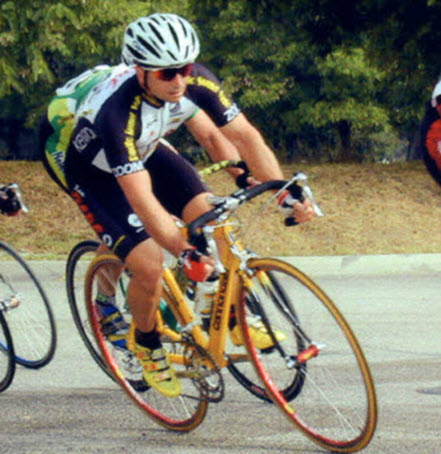
James Hickman is a former USA Cycling Expert-level coach who has worked with cyclists at every level, from beginners to competitive racers. He served as a coach for the Leukemia & Lymphoma Society’s Team In Training program, helping riders prepare for and complete century events. A Masters-category racer himself, he competed and earned podium finishes in Southern California events and holds a Platinum finish at El Tour de Tucson, completing the 100 miles+ in under five hours.
Related Reading
Sponsored · Competitive Cyclist
We are an Amazon affiliate and earn from qualified Amazon purchases with no cost to you. This is for ANY product that you purchase through our links. We are also an affiliate for Competitive Cyclist and JensonUSA. This way we can provide you with competitive pricing and products.