

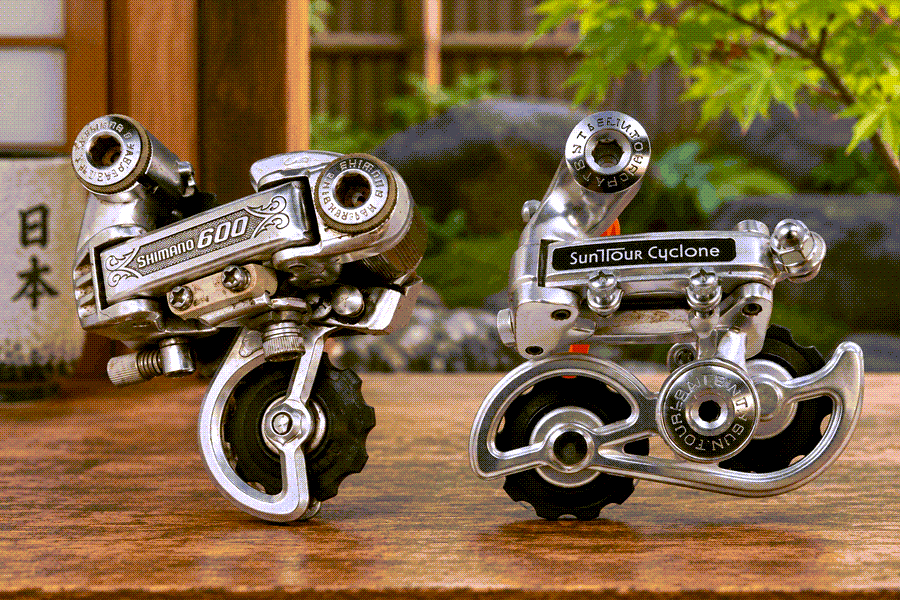
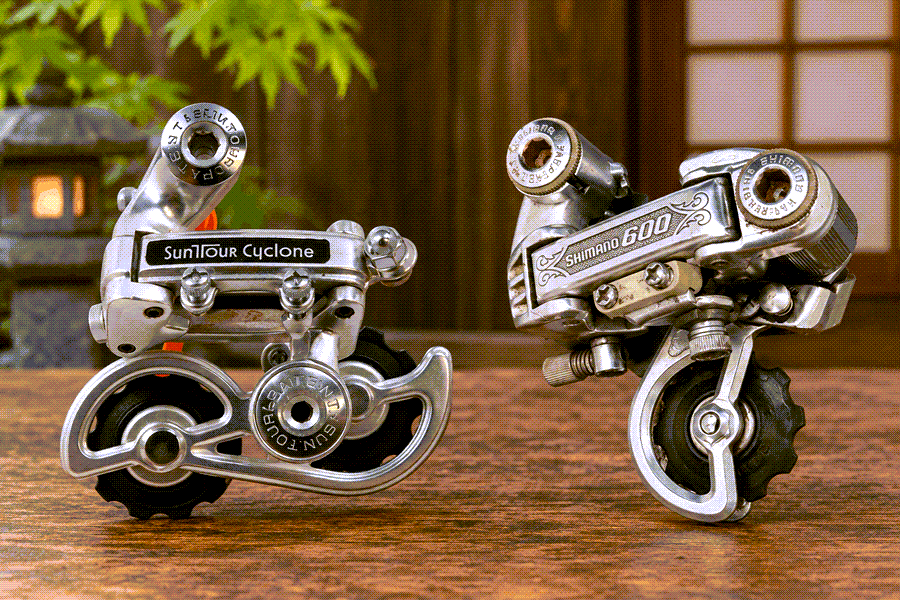
| Quick Answer: SunTour made the best-shifting rear derailleurs from 1964 until its slant-parallelogram patent expired in 1984. Shimano won anyway by selling complete, integrated systems, starting with SIS indexed shifting on Dura-Ace 7400 in the mid-1980s, which only worked properly when every drivetrain part matched. A small R&D staff, the 1985 yen shock, and a troubled AccuShift launch in 1987 finished SunTour’s lead, and the original company was gone by 1995. |
By James Hickman, former USA Cycling Expert-level coach and Masters-category racer
SunTour Made Better Parts
Take apart a mid-1970s SunTour Cyclone and a Shimano derailleur from the same years, and the difference is obvious before you ever put a chain on it. [COACH JAMES: add one or two sentences from your own restoration work here.]
The reason is a single idea. In 1964, Nobuo Ozaki, head of product development at SunTour’s parent company Maeda, invented the slant-parallelogram rear derailleur. By angling the parallelogram, the upper jockey wheel dropped as it moved inward and followed the profile of the freewheel, keeping a nearly constant gap between pulley and cog. A smaller, steadier gap meant faster, surer shifts. Every quality rear derailleur made today still uses this geometry.
SunTour patented the design and defended it hard for twenty years. Competitors had to work around it, and the results showed. A 1974 Consumer Reports bicycle test singled out SunTour as the easiest-shifting derailleur it tried, and cycling historian Frank Berto reached the same verdict in his Bicycling magazine derailleur tests. By 1983, more than half of the derailleur bikes sold in the U.S. used SunTour. If your shop customer came in with a balky French derailleur, the standard fix was a SunTour.
You can read the full company background in our SunTour history at Classic Japanese Bicycles.
Shimano’s Long Game: Dura-Ace and 600
Shimano took a different route. It launched Dura-Ace in 1973 as its first attempt at the professional road racing market Campagnolo owned, and it backed the effort with European race team sponsorships that fed problems straight back to its engineers. The mid-range 600 group followed in 1974, and the 1978 600 EX, the ornate “Arabesque” group, became the first truly successful mass-market mid-range groupset.
That is the part of the story people underrate. Before 600 EX, a mid-priced bike was usually a mix of brands. Shimano was teaching bike makers and buyers to think in matched groups, and it had the size to do it. During SunTour’s best decade, 1974 to 1984, Shimano was roughly five to six times larger. In the early 1980s Shimano had more than 200 people in research and development, while SunTour had about 20.
Shimano also missed, and it could afford to. Positron indexed shifting (1977) and the aerodynamic AX groups (1980 to 1981) both flopped. Shimano quietly retired them, launched 105 and Deore XT in 1983, and kept going.
The Patent Expires and Indexing Arrives
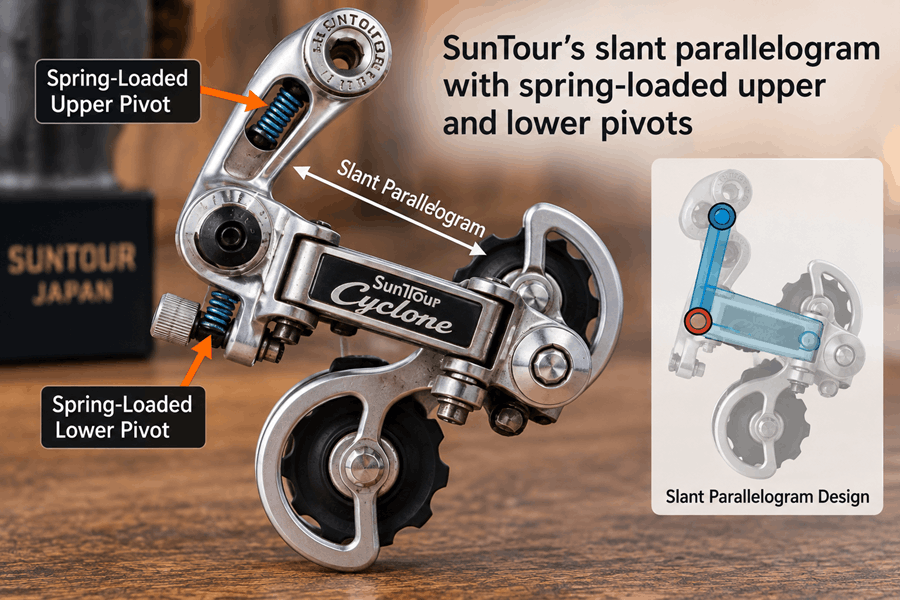
SunTour’s patent ran out in 1984, and Shimano was ready. Its new Dura-Ace 7400 rear derailleur combined SunTour’s slant parallelogram with spring-loaded upper and lower pivots, and Shimano used it as the foundation for SIS, the Shimano Index System. Shimano’s pro teams raced SIS Dura-Ace in 1984 and 1985 with engineers on hand, and the system went public at the 1985 bike show.
Indexed shifting itself was not new. SunTour had sold a click shifter in 1969 and the Mighty Click system in 1980, and neither caught on. What made SIS different was that Shimano engineered the whole drivetrain around it: shifter, derailleur, cable housing, freewheel, and chain all had to fall within tight tolerances for the clicks to land on the right cog.
That requirement was the real weapon. When SIS reached the 600 group in 1986, demand outran supply, and Shimano could insist that bike makers buy complete gear trains and build frames to its specifications. Shop staff summed up the market in a phrase that stuck: if it doesn’t click, it won’t sell. Shimano passed SunTour in the U.S. that same year.
What SunTour Got Wrong
It is tempting to say SunTour simply got beaten, but several of its wounds were self-inflicted.
It priced its best parts like mid-range parts. In 1975 a Cyclone rear derailleur cost about $16, against roughly $40 for a Campagnolo Nuovo Record. Buyers assumed the cheaper part was the lesser part, so SunTour’s top derailleurs ended up on mid-priced bikes, and the thin margins left little money for research.
It rushed products with too few engineers. The early-1980s Mountech and Superbe Tech rear derailleurs shifted well but had durability flaws that hurt SunTour’s reputation with mechanics.
It waited a year on indexing. At the 1985 bike show, dealer focus groups told SunTour that SIS was an overpriced fad. SunTour listened and delayed.
It got hit by the yen. After the 1985 Plaza Accord, the yen roughly doubled in value against the dollar over the following two years. SunTour’s export orders were written in foreign currencies, so it took heavy losses while Shimano shifted lower-priced production to the Singapore factory it had opened in 1973.
AccuShift could not be policed. SunTour launched indexed shifting across its whole range in 1987 in a single crash program. Because it badly needed orders, it could not force bike makers to buy complete AccuShift drivetrains, and some big brands paired the new shifters with leftover freewheels and cheap chain. The bikes went out of adjustment, mechanics learned to prefer SIS, and SunTour’s U.S. share fell below 30 percent in 1987 and below 25 percent in 1988.
The frustrating part is that by 1990 SunTour had largely caught up technically. The buyers writing specs had already decided, based on what they saw in 1987.
How the Market Consolidated
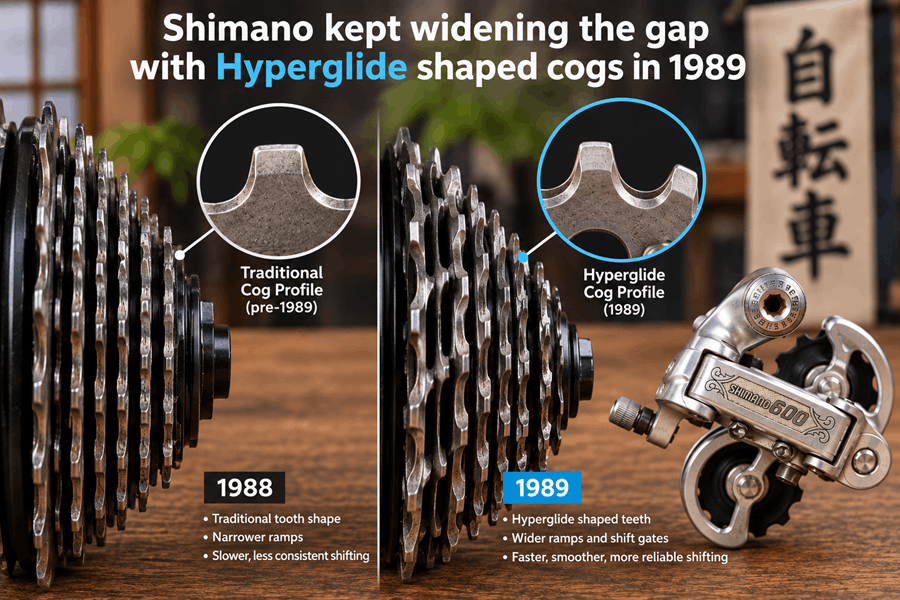
Shimano kept widening the gap with Hyperglide shaped cogs in 1989 and STI brake-shift levers in 1990, a category SunTour never entered. The 600 group took on the Ultegra name in 1988, and by the early 1990s bikes were being sold by their Shimano group: a Dura-Ace bike, an Ultegra bike, a 105 bike.
SunTour’s ownership changed around 1990, when Mori Industries, which had just bought crank maker Sakae Ringyo (SR), took over SunTour and merged the two as SR SunTour. The Japanese factories wound down at the end of 1994, and in 1995 SR’s former owners bought the SunTour name and the Taiwan factory in a management buyout. Today’s SR SunTour, based in Taiwan, is best known for suspension forks. If the SR name rings a bell, see our feature on the Sakae Ringyo Litage.
Campagnolo held on in high-end road racing, and SRAM grew from its Grip Shift beginnings into the only other full-line drivetrain company that could challenge Shimano head-on.
SunTour Made Better Parts. Shimano Made a System. Here’s Why That Still Matters.
The lesson for today’s buyer is that the groupset war never stopped being about systems. Shimano Di2 and SRAM AXS are the SIS strategy with batteries: shifters, derailleurs, and firmware designed to work together, and not with each other. That makes them reliable and easy to live with, and it also makes the first groupset you buy into a long-term commitment for upgrades, spares, and wheels. For a head-to-head look at today’s flagships, see our Shimano Dura-Ace Di2 vs SRAM Red eTap AXS review.
So when you compare brands, weigh the ecosystem as heavily as the individual parts. Ask which system your shop supports, which one your other bikes already use, and how easily you can get replacement parts where you ride. SunTour’s best derailleur did not save it, and today’s best derailleur will not matter much if the rest of the system does not suit you.
Frequently Asked Questions About Shimano and SunTour History
Why did SunTour go out of business?
SunTour was too small to keep pace with Shimano’s research spending, underpriced its best parts, was badly hurt by the 1985 rise of the yen, and launched its AccuShift indexed system in 1987 without the ability to make bike makers use fully compatible parts. The original Japanese company was absorbed into SR SunTour and was gone by 1995.
Was SunTour better than Shimano?
In the friction-shifting era, from 1964 to about 1984, SunTour’s slant-parallelogram rear derailleurs generally shifted better than Shimano’s. In the indexed era, Shimano’s complete, well-tested SIS system worked better in practice, especially on mass-produced bikes.
When did Shimano 600 become Ultegra?
The Ultegra name first appeared in 1988 on the 600 Ultegra (6400) group. Shimano 600 itself dates to 1974, and the well-known 600 EX Arabesque group arrived in 1978.
What was Shimano SIS?
SIS, the Shimano Index System, was the first commercially successful indexed shifting system for road bikes. It debuted on Dura-Ace 7400, which Shimano’s pro teams raced in 1984 and 1985, and spread to the 600 group in 1986.
Does SR SunTour still make bicycle parts?
Yes. SR SunTour is a Taiwan-based company best known for suspension forks. It owns the SunTour name but is a different company from the original Japanese SunTour.
Are vintage SunTour derailleurs worth buying today?
For friction-shifted vintage builds, yes. Models like the Cyclone and V series remain excellent shifters and are well regarded by restorers, though prices for clean examples have risen.
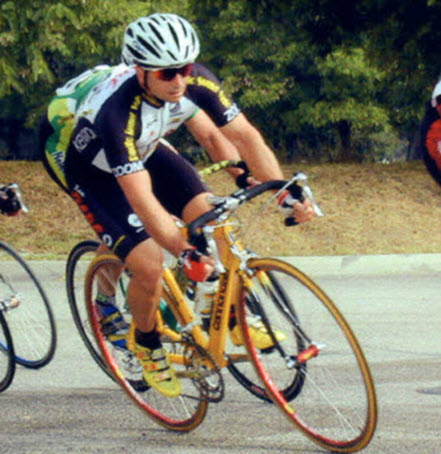
James Hickman is a former USA Cycling Expert-level coach who has worked with cyclists at every level, from beginners to competitive racers. He served as a coach for the Leukemia & Lymphoma Society’s Team In Training program, helping riders prepare for and complete century events. A Masters-category racer himself, he competed and earned podium finishes in Southern California events and holds a Platinum finish at El Tour de Tucson, completing the 100 miles+ in under five hours.
Related Reading
 History |  Bicycle of the Week | 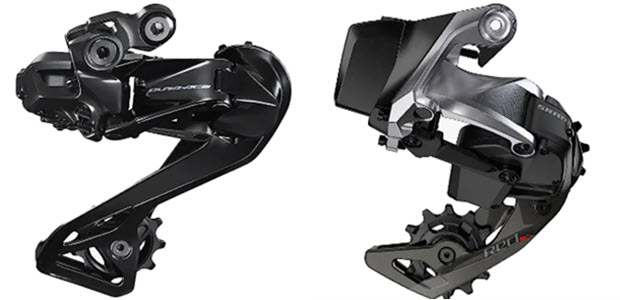 Reviews |
Sponsored · Competitive Cyclist
Affiliate disclosure: As an Amazon Associate, I earn from qualifying purchases. This article may also contain affiliate links to Competitive Cyclist and JensonUSA. If you buy through these links, I may earn a commission at no extra cost to you.