

How to Improve Your Cycling Power

For cyclists, achieving a high cycling power output is a key goal. Many dedicated cyclists spend considerable time and effort trying to improve their power output so that outdoor rides become easier. The goal is to ride faster for longer while using less energy, increasing efficiency. One method to improve your cycling power is the 75% rule. This training principle can help you to improve your cycling.
Quick Answer:
The 75% rule means keeping 75% of your weekly cycling volume below 75% of your max heart rate (Zones 1-2), with the remaining 25% spent on harder efforts (Zones 4-5). This balance builds your aerobic base while still improving FTP and power-to-weight ratio.
WHAT IS THE 75% RULE?
The 75% rule is simple: 75% of your weekly training volume should stay below 75% of your max heart rate, which lines up with Zone 1 (50-60% MHR) and Zone 2 (60-70% MHR) — your low-intensity, aerobic zones.
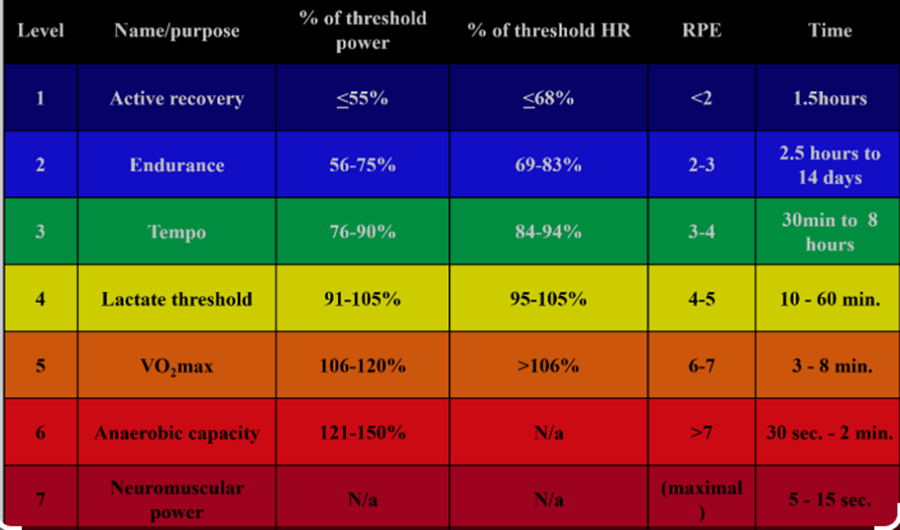
In power terms, that’s Zone 1 (under 55% FTP) and Zone 2 (56-75% FTP), where you build aerobic capacity and mitochondrial density. The remaining 25% goes to harder efforts in heart rate Zones 4 (80-90% MHR) and 5 (90-100% MHR), or power Zones 4 (106-120% FTP) and 5 (above 120% FTP) — the zones that drive the bigger anaerobic adaptations.
Fuel Better, Ride Longer
Optimum Nutrition Amino Energy + Hydration delivers BCAAs and electrolytes in one easy mix. Support muscle recovery while staying hydrated on every ride. 5,000 sold. Power your performance today here!
By adhering to this polarized training distribution and accumulating sufficient training load, athletes typically experience significant improvements in sustainable cycling power output and metabolic efficiency.
WHY IS THE 75% RULE EFFECTIVE FOR IMPROVING CYCLING POWER?
This balance works because it lets you train hard enough to adapt without accumulating so much fatigue that you can’t recover. Riding mostly at lower intensities builds mitochondrial density and improves blood flow to working muscles, supporting better fat-burning efficiency and conserving glycogen for when you actually need it.
Spending too much time at threshold or above does the opposite — it raises cortisol, slows glycogen recovery, and increases your risk of overtraining, illness, and injury. Limiting hard efforts to that smaller 25% block lets you target VO2 max and lactate clearance without digging a hole you can’t climb out of. The result, over time, is a real, measurable increase in FTP and power-to-weight ratio.
EXERCISES TO COMPLEMENT THE 75% RULE AND IMPROVE CYCLING POWER
Climbing Hills
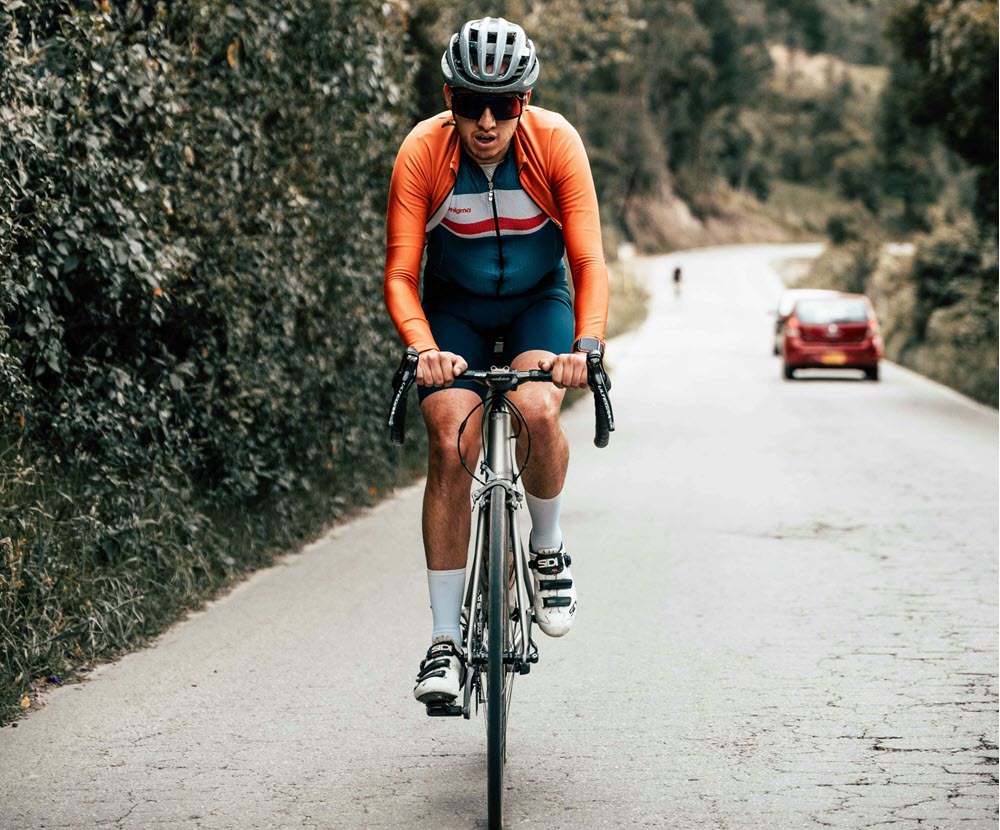
Hill repeats are one of the best ways to use your 25% high-intensity allocation. Climbing recruits more muscle fibers, improves lactate clearance, and forces better power output through the pedal stroke than flat-road efforts do. Mix shorter, steeper repeats (6-12% grade) with longer, moderate climbs (4-6% grade) to cover both ends of that adaptation.
Ride Further with Faster Cyclists
Riding with stronger cyclists naturally pushes your pace into harder zones without it feeling like a structured workout — useful for your 25% high-intensity block. Pair that with focused indoor sessions where you can target specific power numbers without worrying about traffic, weather, or terrain.
Never Miss Another Ride
Transform any bike into your personal fitness studio with an indoor trainer. Ride year-round regardless of weather, time, or daylight. Today’s top models offer silent operation, smart resistance, and immersive virtual worlds to explore. Discover the best-selling indoor trainers here
Indoor Bike Training
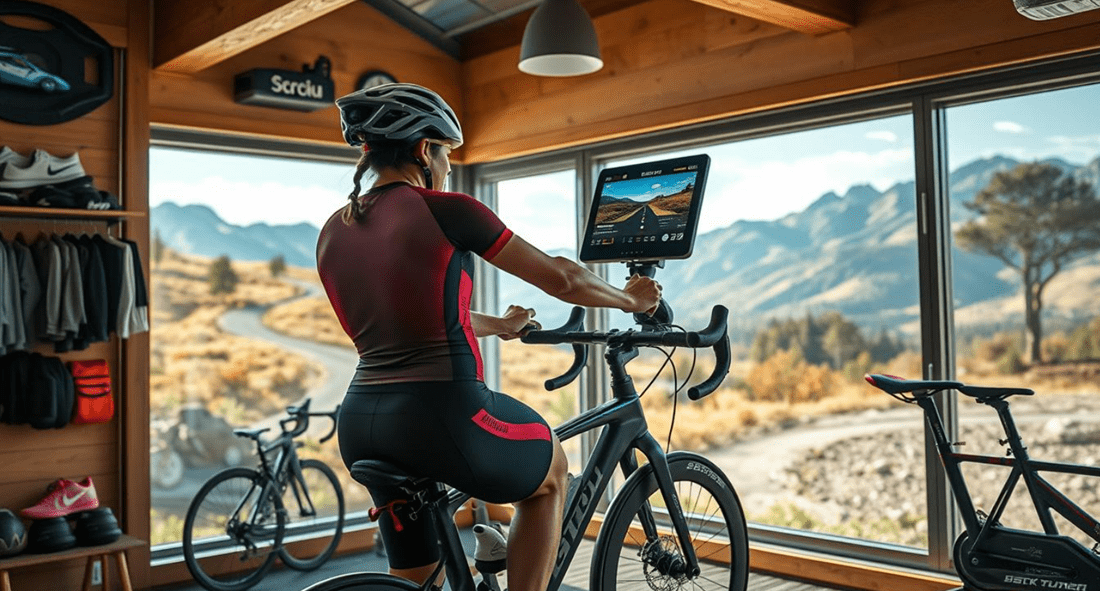
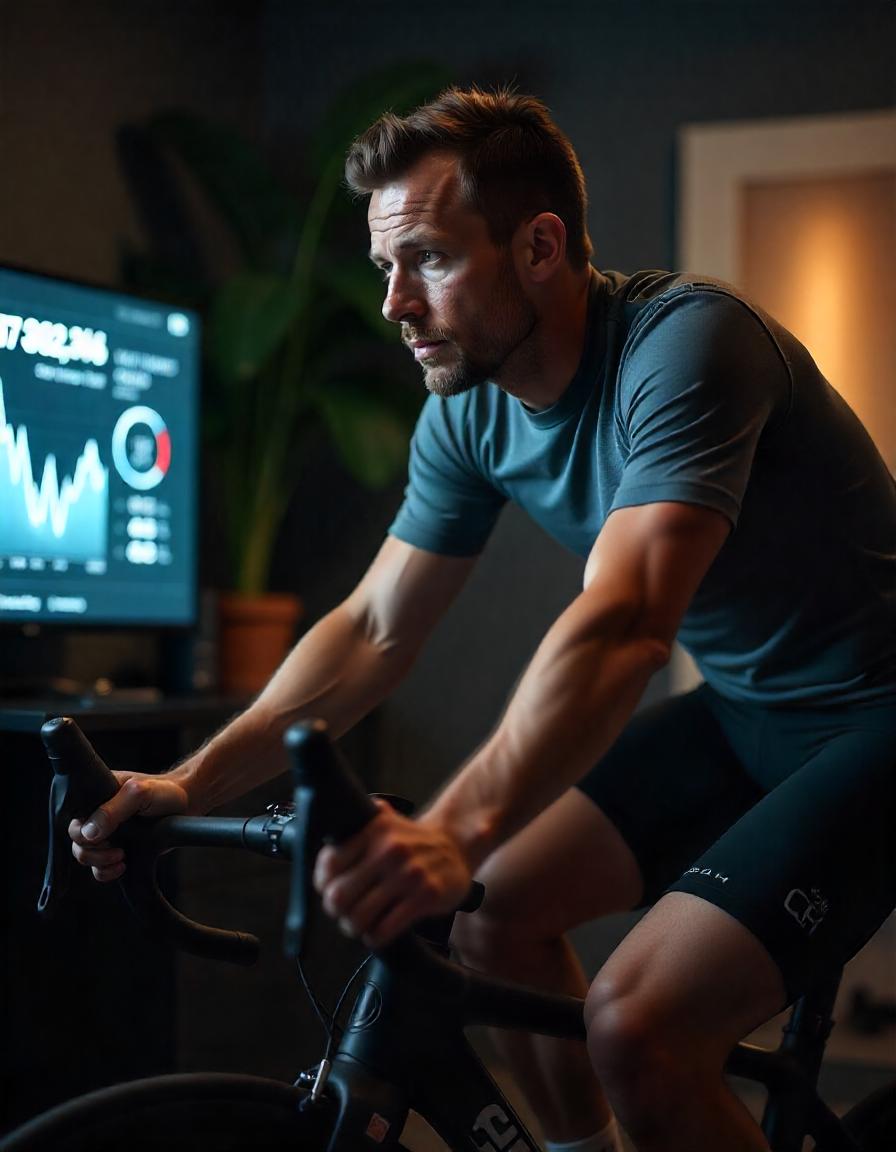
Smart trainers and ergometers let you hit exact power targets every ride, with no interference from traffic, hills, or weather. You also get real-time feedback on cadence and left-right pedaling balance, which is hard to isolate outdoors. That precision makes indoor sessions a good fit for both ends of the 75/25 split — locking in a steady Zone 2 ride or nailing a sharp high-intensity interval.
TECHNIQUE AND CORE STABILITY
Good pedaling technique matters as much as fitness when it comes to producing power. Smooth, consistent stroke mechanics — minimal hip rocking, stable knee tracking, full use of the glutes, quads, and hamstrings — get more of your effort into the pedals instead of wasted in unnecessary movement. A relaxed upper body and stable shoulders also help, both for aerodynamics and for breathing easier on hard efforts.
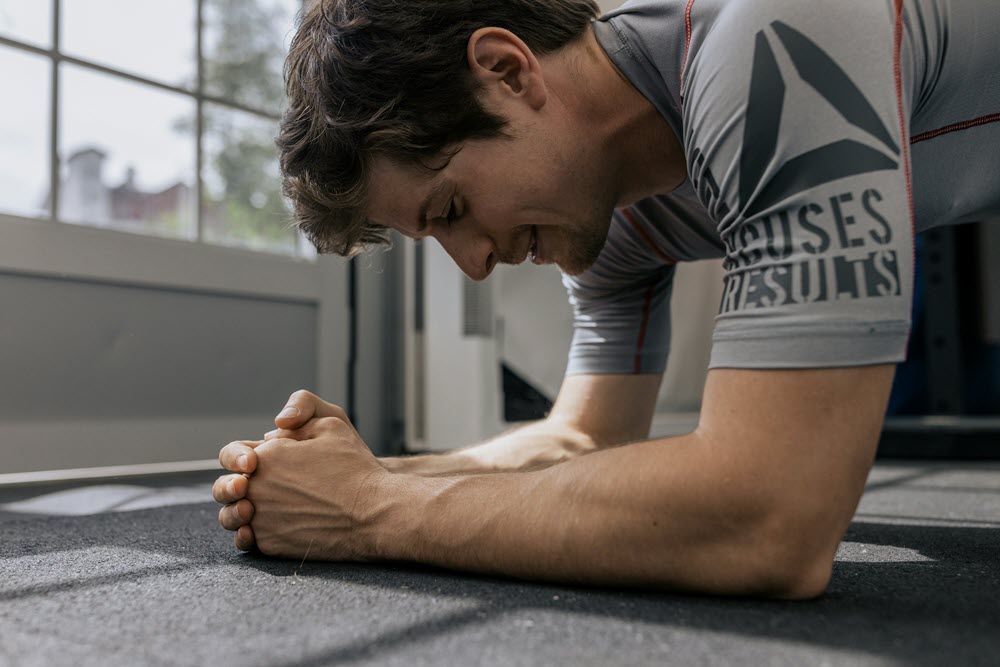
A strong core is what lets your legs put that power down without your torso wobbling and bleeding energy. Planks, bird-dogs, dead bugs, and rotational core work two to three times a week build the stability that keeps your hips locked in place through hard efforts and sprints. The stronger your core, the more of your leg power actually makes it to the pedals instead of getting lost in body movement.
Ignite Performance, Burn Fat, Reveal Results
C4 Ripped Sport combines powerful pre-workout energy with targeted fat-burning ingredients in one NSF Certified formula. Sugar-free and designed for both men and women, it delivers explosive workouts while supporting your body composition goals. Elevate your training and transform your results today!
OTHER FACTORS
Power isn’t determined by training alone — your body weight, position, and equipment all play a role too. Leaner riders generally climb and accelerate better than heavier riders putting out the same wattage, which is why pros are so deliberate about managing body mass without sacrificing the muscle that produces the power in the first place.
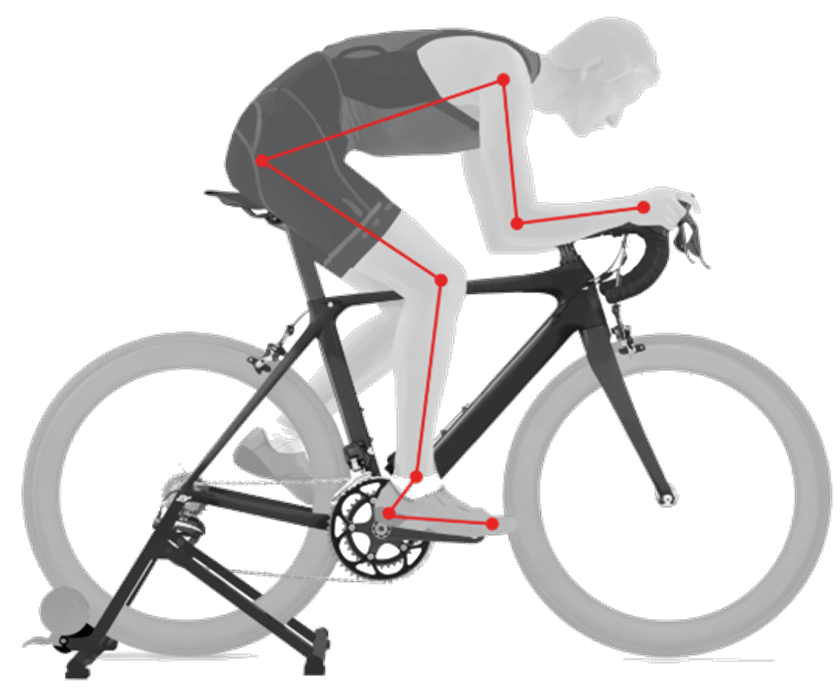
Riding position is a bigger lever than most people think. Dialing in handlebar height, torso angle, and elbow position can cut aerodynamic drag by 15-20%, meaning more of your power goes toward speed instead of fighting the wind. The goal is finding a position that’s aero without forcing a setup you can’t hold comfortably for the whole ride.
Outside conditions matter too. Every 1% increase in grade costs you roughly 10 extra watts at a steady pace for a 75kg rider, and wind resistance climbs fast once you’re over about 30kph, so small speed gains start costing a lot more power. Tire choice and inflation pressure can also swing rolling resistance by 5-15 watts. Paying attention to gear, position in a headwind, and pacing on climbs all help you get the most out of the power you’ve got.
POWER TO WEIGHT RATIO
Power-to-weight ratio — your power output in watts divided by your weight in kilograms — is one of the best predictors of climbing and acceleration ability. Elite pros typically sit at 5.5-6.5 w/kg at threshold, while most recreational riders fall somewhere in the 2.5-4.0 w/kg range. At the same power output, a lighter rider will climb faster, since gravity has less weight to fight against.
You can improve this ratio two ways: build more power through structured training, or lose excess weight while holding onto the muscle that actually produces your power. The best results usually come from doing both — training to raise your FTP while managing your diet to stay lean, rather than chasing one and ignoring the other.
CONCLUSION
The 75% rule comes down to a simple idea: most of your riding should be easy enough to recover from, so the harder efforts — climbs, sprints, structured intervals — actually move the needle instead of digging you into a hole. Pair that with solid technique, a stable core, smart positioning, and attention to your power-to-weight ratio, and you’ve got a complete approach to building real, lasting power gains.
Stick with it consistently, and the results show up where it counts — on climbs, in sprints, and over the course of a long ride.
FAQs
Is the 75% rule the same as polarized training?
They’re closely related but not identical. Polarized training typically splits volume around 80/20 between low and high intensity with almost nothing in between, while the 75% rule allows a bit more flexibility, with up to 25% of volume in harder zones. Both share the same core principle: most of your training should be easy, with focused high-intensity work layered on top.
How long does it take to see results from the 75% rule?
Most cyclists notice meaningful improvements in FTP and overall power after 8 to 12 weeks of consistent training under this distribution, assuming adequate volume and recovery. Results come faster when you’re coming from an unstructured or overly intense training history, since the aerobic base typically has more room to grow.
Do I need a power meter to follow the 75% rule, or is a heart rate monitor enough?
A heart rate monitor is enough to get started, since the original 75% rule is based on heart rate zones. A power meter adds more precision, especially for the high-intensity portion, where heart rate response can lag behind actual effort. If you’re serious about tracking progress over time, pairing both gives you the clearest picture.
James Hickman is a former USA Cycling Expert-level coach who has worked with cyclists at every level, from beginners to competitive racers. He served as a coach for the Leukemia & Lymphoma Society’s Team In Training program, helping riders prepare for and complete century events. A Masters-category racer himself, he competed and earned podium finishes in Southern California events and holds a Platinum finish at El Tour de Tucson, completing the 100 miles+ in under five hours.
PRODUCTS TO ASSIST IN YOUR CYCLING PERFORMANCE
1. Garmin Rally RS200 Power Meter Pedals
Dual-sided power measurement with ±1% accuracy to identify power imbalances and track your true cycling strength. → Shop on Amazon
2. Wahoo TICKR Heart Rate Monitor
Bluetooth/ANT+ chest strap that reveals your cardiovascular efficiency and helps identify training zones. → Check Latest Price
3. Wahoo RPM Cadence Sensor
Magnet-free sensor that measures pedaling RPM to optimize your cycling efficiency and technique. → View on Amazon
4. Garmin Edge 840 Bike Computer
Advanced GPS computer that collects all your performance metrics and provides comprehensive training analysis. → Learn More
We are an Amazon affiliate and earn from qualified Amazon purchases with no cost to you. This is for ANY product that you purchase through our links. We are also an affiliate for Competitive Cyclist and JensonUSA. This way we can provide you with competitive pricing and products.